

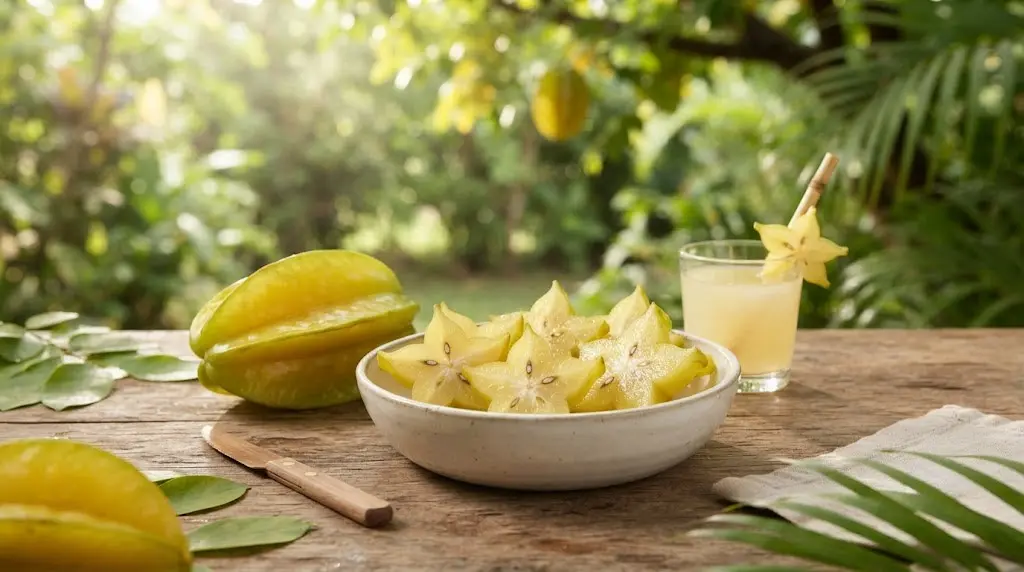
When walking through an exotic produce market, you may have spotted a vibrant, waxy fruit that looks like a miniature, five-pointed star when sliced crosswise. This is carambola, commonly known as star fruit. While it is often praised for its aesthetic appeal in gourmet salads and cocktails, the benefits of carambola extend far beyond mere decoration. From its impressive nutrient profile to its traditional medicinal uses, this tropical treasure offers a unique blend of flavor and wellness potential.
However, navigating the world of exotic fruits requires knowledge. While carambola is a nutrient-dense snack for many, it is not without its risks, particularly for specific health profiles. In this comprehensive guide, we will explore the science-backed advantages of adding this fruit to your diet, provide a clear breakdown of its nutritional value, and—crucially—detail the safety precautions every consumer should understand.
Understanding the Nutritional Profile of Carambola
To truly grasp why the benefits of carambola are so frequently discussed by nutritionists, we must first look at what is happening at a molecular level. Carambola is incredibly low in calories, making it a favorite for those managing weight, yet it is surprisingly rich in essential vitamins and minerals. Whether you are seeking to boost your daily fiber intake or ensure you are getting enough Vitamin C, this fruit serves as a refreshing functional food.
According to current nutritional data, a single medium-sized carambola contains:
- Vitamin C: A potent antioxidant that plays a foundational role in immune function and collagen synthesis.
- Dietary Fiber: Essential for digestive regularity and gut health.
- Potassium: A vital electrolyte that assists in fluid balance and cardiovascular health.
- Copper: A trace mineral necessary for healthy blood vessels and energy production.
- Antioxidants: Including quercetin, gallic acid, and epicatechin, which help combat oxidative stress.
Furthermore, carambola is composed of roughly 90% water, making it exceptionally hydrating. This high water content, paired with its low glycemic index, allows it to be a refreshing addition to a balanced diet without causing rapid spikes in blood sugar, provided it is consumed in moderation.
Top Health Benefits of Carambola
Why are health enthusiasts turning their attention to this tropical gem? The benefits of carambola are supported by a wide range of biological activities. Here is how it can contribute to your overall well-being.
1. Immune System Fortification
Carambola is a notable source of Vitamin C. This essential nutrient is not just for fighting off the common cold; it is a critical component of the body’s internal defense system. By stimulating the production of white blood cells and neutralizing free radicals, the Vitamin C in star fruit helps reduce systemic inflammation and oxidative stress.
2. Promoting Digestive Regularity
Many individuals struggle with consistent digestive health. Carambola provides a gentle source of insoluble dietary fiber. This fiber adds bulk to the stool and helps food move through the digestive tract more efficiently. As a result, regular consumption may help prevent constipation and support a healthier microbiome. Research indicates that the fiber content and natural enzymes in the fruit can assist in breaking down food, reducing the incidence of bloating.
3. Cardiovascular Support
Heart health is a primary concern for many, and the combination of potassium and fiber in carambola creates a heart-healthy profile. Potassium helps manage blood pressure levels by balancing the body’s sodium content, which in turn reduces the strain on your arteries. Additionally, the fiber content helps manage cholesterol levels, potentially lowering the risk of atherosclerosis over time.
“Star fruit is packed with antioxidants such as vitamin C, quercetin, and gallic acid, which help neutralize harmful free radicals in the body, protecting cells from oxidative stress and potentially lowering the risk of chronic diseases.” — Nutritional Insights Report
4. Skin and Anti-Aging Effects
Collagen is the structural protein that keeps skin firm and supple. Because carambola is rich in Vitamin C, it aids in the body’s natural synthesis of collagen. Furthermore, the antioxidants present—including lutein and beta-carotene—help protect skin cells from UV-induced damage, which can contribute to a more radiant, youthful complexion.
The Important Safety Warning: Why Kidney Health Matters
While the benefits of carambola are significant for the general population, it is imperative to address a serious health advisory. Carambola contains two substances that can be problematic for specific individuals: oxalic acid and a neurotoxin known as caramboxin.
For most people, the kidneys filter these substances without issue. However, in individuals with chronic kidney disease (CKD) or reduced renal function, these substances are not effectively cleared from the blood. This can lead to the accumulation of toxins, which may cause symptoms such as hiccups, confusion, seizures, and in severe cases, kidney failure or even death.
If you have any history of kidney issues, doctors strongly advise avoiding carambola entirely. Do not be misled into thinking that removing the seeds or skin eliminates the danger; the neurotoxins are present within the flesh of the fruit itself. Always consult with your primary healthcare provider or a renal dietitian if you are unsure about your kidney health or the safety of including new fruits in your diet.
Carambola vs. Other Citrus Favorites
Understanding how carambola fits into your rotation is easier when comparing it to other common fruits. While it shares some attributes with traditional citrus, it has unique advantages.
| Feature | Carambola | Orange | Grapefruit |
|---|---|---|---|
| Primary Benefit | Low Calorie/Hydration | Vitamin C Powerhouse | Weight Management |
| Glycemic Index | Low | Low to Moderate | Low |
| Kidney Safety | Dangerous for CKD | Generally Safe | Generally Safe |
Culinary Versatility: How to Enjoy It
If you have been cleared by your doctor to enjoy this fruit, the culinary possibilities are endless. Carambola has a unique flavor profile that sits somewhere between a pear, a green apple, and a grape. As it ripens, the yellow skin deepens, and the taste becomes sweeter and more floral.
Here are a few ways to incorporate it into your diet:
- Fresh Slices: The most popular way to enjoy it is raw. Simply wash the fruit, trim the brown edges of the “stars,” and slice it crosswise.
- Decorative Garnishes: Use the star-shaped slices to top pavlovas, smoothie bowls, or cocktails.
- Refreshing Juices: Puree the fruit and strain it for a cooling, tropical beverage.
- Salad Additions: Its crisp texture pairs beautifully with mixed greens, feta cheese, and a light balsamic vinaigrette.
“A carambola’s juicy bite makes it a good appetite stimulant and palate cleanser; in many tropical cultures, it is used to add a cooling, refreshing element to spicy dishes.” — Botanical Encyclopedia
Frequently Asked Questions
Is carambola safe for everyone?
No. While it is safe for the majority of healthy individuals, it must be strictly avoided by anyone with chronic kidney disease or compromised renal function due to the presence of neurotoxins that the kidneys cannot filter.
What does a ripe carambola taste like?
A ripe carambola is sweet, slightly tangy, and juicy. It has notes reminiscent of pear, melon, and citrus, depending on how ripe the fruit is when harvested.
Can I eat the skin of a star fruit?
Yes, the skin of a carambola is thin, waxy, and entirely edible. There is no need to peel it; just wash it thoroughly, trim the brown ridges, and slice it.
How can I tell if a star fruit is ripe?
Look for a bright yellow color across the skin. If there are still green spots, it needs more time to ripen on the counter. It should feel firm but yield slightly to gentle pressure.
Conclusion
The benefits of carambola are undeniable for those who can enjoy it safely. With its high Vitamin C content, digestive-friendly fiber, and unique, refreshing flavor, it makes an excellent, nutrient-dense addition to a varied and balanced diet. It stands as a testament to the diversity of tropical fruits and the excitement of exploring new culinary horizons.
Before you add it to your shopping cart, take a moment to assess your health needs, particularly concerning kidney function. If you are a healthy individual looking to diversify your fruit intake, head to your local market this weekend, pick out a bright yellow star fruit, and experience this tropical delight for yourself. Your palate—and your body—will thank you.