

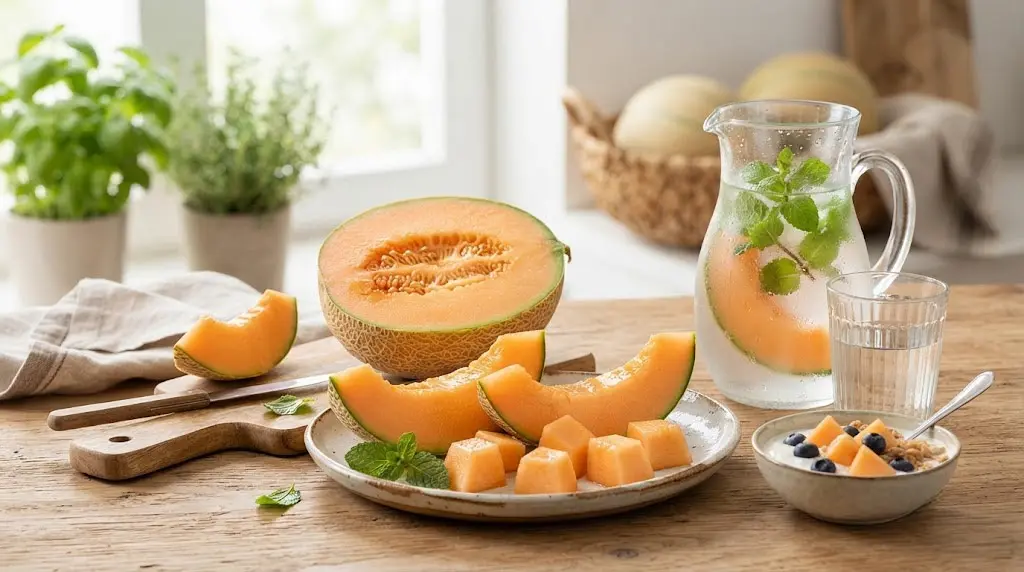
When you browse the produce aisle, it is easy to gravitate toward the usual suspects like apples or bananas. However, the benefits of cantaloupe offer a compelling reason to shake up your fruit rotation. This vibrant, orange-fleshed melon is far more than just a sweet summer treat; it is a nutritional powerhouse that supports everything from your immune system to your skin’s natural glow.
Whether you want to boost your daily nutrient intake, stay hydrated during the warmer months, or simply diversify your palate, this melon is a hidden gem. In the following sections, we will explore why adding this sun-colored fruit to your diet leads to better overall health and a refreshing, delicious experience for your body.
Understanding the Nutritional Profile
To truly appreciate the benefits of cantaloupe, we must look at what is happening inside the fruit. Despite being low in calories—containing only about 53–60 calories per cup—this melon is densely packed with essential vitamins and minerals. It provides a unique balance of hydration and concentrated nutrients that few other fruits can match.
Key nutrients found in this melon include:
- Vitamin A: Crucial for maintaining sharp vision and healthy skin.
- Vitamin C: A powerful antioxidant that supports immune defense and collagen synthesis.
- Potassium: A vital electrolyte that helps regulate blood pressure and fluid balance.
- Dietary Fiber: Supports digestive regularity and promotes long-term gut health.
- Antioxidants: Includes lutein and zeaxanthin, which are essential for eye health.
“Cantaloupes are an excellent source of beta-carotene, which is converted to vitamin A, and antioxidants lutein and zeaxanthin. These work to maintain eye health and prevent cataracts and age-related macular degeneration.” — Advanced Health Nutritional Insights
Immune System Fortification
One of the primary benefits of cantaloupe is its ability to fortify your immune system. Because of its remarkably high Vitamin C content, consuming just one cup can help you meet a significant portion of your daily requirement. Vitamin C acts as a potent antioxidant, protecting your cells from oxidative damage caused by free radicals.
In addition to Vitamin C, the beta-carotene found in the fruit is converted by your body into Vitamin A. This nutrient is not only vital for eye health but also plays a foundational role in maintaining the integrity of your immune barriers. When you integrate cantaloupe into your diet, you provide your body with the tools it needs to fight off pathogens and reduce inflammation effectively.
Promoting Radiant Skin and Anti-Aging
Are you looking for a natural way to support your skin? The benefits of cantaloupe extend to your complexion as well. Because the fruit is rich in Vitamin C, it naturally aids in collagen production. Collagen is the primary structural protein in your skin, responsible for keeping it firm, supple, and youthful.
Furthermore, the high water content of the fruit ensures that your skin remains hydrated from the inside out. Since it contains over 90% water, eating it acts as an effective way to replace lost moisture. By consistently consuming this fruit, you are essentially feeding your skin the essential compounds needed to stimulate renewal and maintain a healthy, natural glow.
Hydration and Weight Management
Staying hydrated is often a chore, but “eating your water” is a great alternative to drinking plain fluids. Like most melons, the cantaloupe variety has a high water content, which makes it an ideal snack for post-workout recovery or hot summer days.
Because it is low in calories yet high in volume, it can help you feel full without consuming excess energy. This makes it a perfect addition to a weight management plan. You can enjoy a generous serving size while keeping your caloric intake low, which helps curb cravings for processed, high-sugar snacks.
Cardiovascular and Digestive Health
Potassium is arguably the most important mineral for heart health, and cantaloupe is a fantastic natural source. Adequate potassium intake helps to relax the walls of your blood vessels, which in turn helps to maintain healthy blood pressure levels. By integrating this fruit into your diet, you naturally support your cardiovascular system.
Simultaneously, the fruit provides a gentle but effective source of dietary fiber. This fiber promotes regular bowel movements and prevents constipation. By adding this fruit to your morning routine, you provide your microbiome with the prebiotic fiber it needs to maintain a healthy gut environment, which is increasingly recognized as the cornerstone of overall wellness.
Cantaloupe vs. Other Popular Melons
It is natural to wonder how this fruit compares to other varieties. While all melons share certain traits, the benefits of cantaloupe set it apart in terms of its specific micronutrient delivery. The table below illustrates the key differences:
| Feature | Cantaloupe | Honeydew | Watermelon |
|---|---|---|---|
| Primary Nutrient | Vitamin A & C | Vitamin C & B6 | Lycopene |
| Best For | Immune/Skin Health | Digestion/Hydration | Heart/Eye Health |
| Texture | Soft & Sweet | Smooth & Firm | Crisp & Juicy |
“Both pack a hydration punch, but cantaloupe beats watermelon when it comes to vitamins A and C, potassium, and fiber content.” — WebMD Nutrition Data
Culinary Versatility: How to Enjoy It
Understanding the nutritional value is only half the battle; knowing how to eat it is the other. Due to its soft, sweet texture, the cantaloupe is incredibly versatile in the kitchen. It does not require much preparation to shine as a meal or a snack.
Try these preparation methods:
- Morning Smoothies: Blend the melon with yogurt, spinach, and a splash of ginger for a hydrating, nutrient-dense breakfast.
- Refreshing Salsas: Dice the melon and mix it with lime, cilantro, and jalapeños for a sweet-and-spicy salsa that pairs perfectly with grilled chicken or fish.
- Gourmet Salads: Toss cubed melon with feta cheese, mint, and balsamic glaze for a sophisticated appetizer.
- Cold Soup: Puree it with a touch of honey and lemon juice for a refreshing summer gazpacho.
Choosing and Storing Your Melon
To fully capture the benefits of cantaloupe, you must select the right one at the store. Look for a melon that feels heavy for its size, which indicates high water content. The skin should have a golden-beige undertone beneath its net-like mesh, rather than a green one.
If the melon is not quite ripe, you can leave it on the counter at room temperature for a few days to soften. Once it is fragrant and yields slightly to pressure at the blossom end, it is ready. Store it in the refrigerator to keep it crisp, and consume it within a few days to ensure the best flavor and nutritional density.
Frequently Asked Questions
Is cantaloupe good for diabetics?
Yes, cantaloupe is generally considered a safe, healthy fruit for people with diabetes. It has a relatively low glycemic load, meaning it won’t cause rapid blood sugar spikes, especially when consumed in portion-controlled amounts.
Can I eat the seeds of a cantaloupe?
Technically, the seeds are edible and packed with nutrients, including omega-3 fatty acids. However, most people prefer to scoop them out because they can be texturally distracting. If you do keep them, you can roast them just like pumpkin seeds.
How much cantaloupe should I eat daily?
The FDA recommends healthy adults eat 1.5 to 2 cups of fruit a day. Incorporating one cup of cantaloupe into that daily intake is an excellent way to get a concentrated dose of Vitamin A and C without overdoing the calories.
Does cantaloupe help with constipation?
Yes, cantaloupe contains both soluble and insoluble fiber. The insoluble fiber helps add bulk to the stool and moves food through your digestive tract more efficiently, which can help prevent and alleviate constipation.
Conclusion
The benefits of cantaloupe are extensive, ranging from immune system fortification to improved digestive health and heart support. By stepping outside your comfort zone and selecting this nutrient-dense melon, you are doing more than just trying a new flavor; you are investing in a food that supports your body’s daily needs.
Ready to experience the refreshing taste of cantaloupe for yourself? Head to your local farmers market or grocery store this weekend and pick one out. Whether you slice it into a refreshing salad or blend it into your morning smoothie, your body will thank you for the upgrade.