

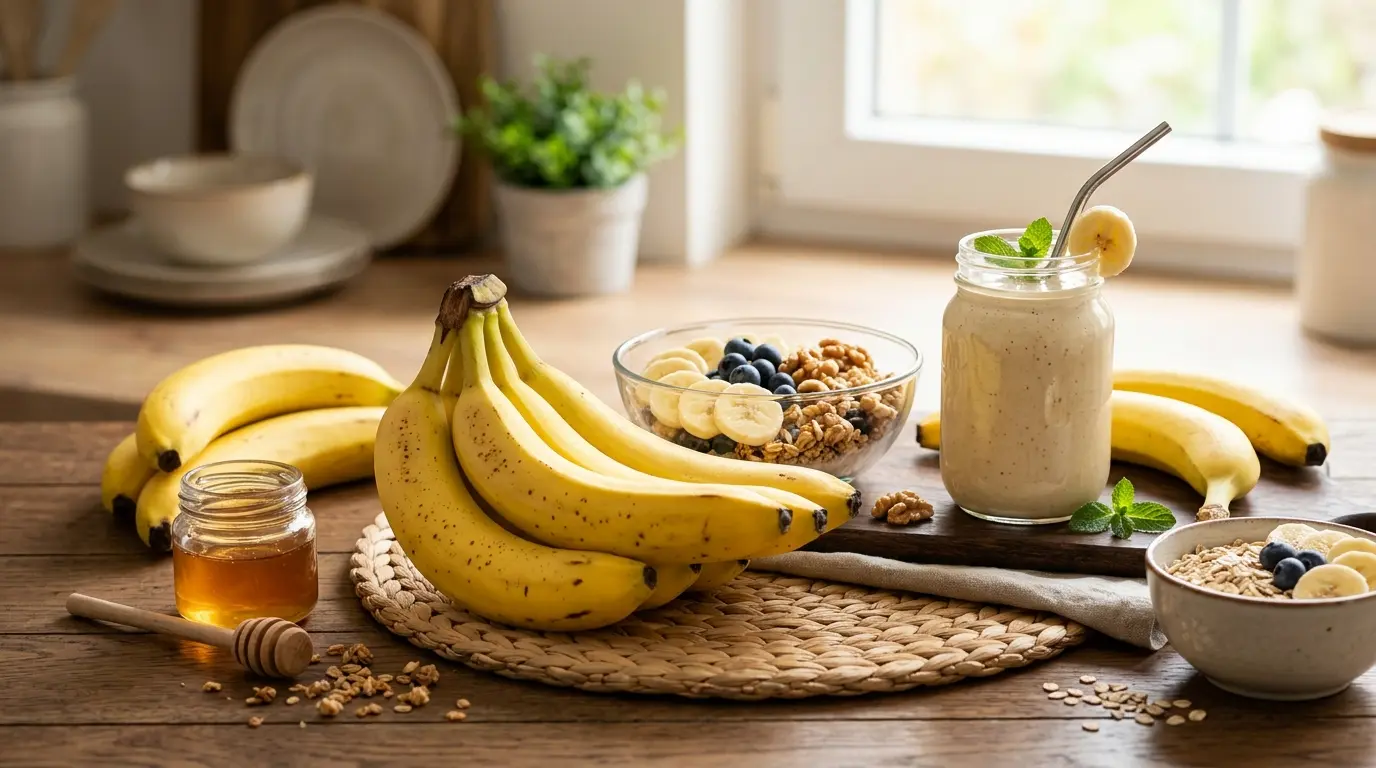
When you peel a banana for a quick morning snack, you are probably not thinking about cellular hydration or the intricate balance of your gut microbiome. But maybe you should be. The incredible array of banana health benefits makes this humble yellow fruit one of the most accessible superfoods on the planet. Packed with essential vitamins, minerals, and unique types of fiber, bananas do much more than just provide a quick burst of energy before a workout.
In fact, recent nutritional studies and dietary guidelines continue to highlight how this globally beloved fruit supports everything from cardiovascular health to improved digestion. If you have been viewing bananas merely as a convenient add-on to your morning cereal, it is time to rethink their role in your diet. Let us dive into what makes them a nutritional powerhouse and explore the evidence-backed reasons you should consider eating one every day.
The Nutritional Profile of a Banana
Before we explore specific health benefits, it is crucial to understand exactly what you are getting in every bite. Bananas are naturally fat-free, cholesterol-free, and low in sodium, making them an ideal foundation for a healthy diet.
According to the United States Department of Agriculture (USDA), one medium-sized banana (approximately 118 grams) provides a highly efficient nutrient package. It contains about 105 to 113 calories, mostly derived from carbohydrates, which shift from starches to sugars as the fruit ripens. However, the real magic lies in the micronutrients.
Essential Vitamins and Minerals
A single medium banana acts as a natural multivitamin. It provides roughly 9% of your Daily Value (DV) for potassium, packing about 375 to 422 milligrams of this vital electrolyte. In addition, you get roughly 33% of your DV for Vitamin B6, alongside significant amounts of magnesium, Vitamin C, and manganese.
Furthermore, a medium banana delivers about 3 grams of dietary fiber. This combination of fiber, vitamins, and minerals works synergistically in the body, providing a foundation for optimal health.
1. Powerful Support for Heart Health and Blood Pressure
When discussing banana health benefits, cardiovascular support is often at the top of the list, primarily due to their impressive potassium content. Potassium is a crucial mineral and electrolyte that helps regulate fluid balance and nerve signals.
High blood pressure is a significant risk factor for heart disease. Potassium helps lower blood pressure by easing the tension in blood vessel walls and helping the kidneys excrete excess sodium through urine. In a world where diets are often excessively high in sodium, potassium-rich foods are essential counterbalances.
“Bananas, rich in potassium and fiber and low in sodium, are an important component of heart-healthy diets like DASH (Dietary Approaches to Stop Hypertension) that aims for about 4,700 mg dietary potassium daily.” — Harvard T.H. Chan School of Public Health
Therefore, eating a banana daily is a simple, delicious way to support a healthy heart and keep your blood pressure within a normal range.
2. Promotes a Thriving Gut Microbiome
Gut health is central to overall wellness, affecting everything from immunity to mood. Bananas, particularly when they are slightly green, are incredible allies for your digestive system. This is due to a specific type of carbohydrate called resistant starch.
Resistant starch acts like soluble fiber. It escapes digestion in the small intestine and makes its way to the large intestine. There, it serves as a prebiotic—essentially, food for the beneficial bacteria in your gut. As these bacteria ferment the starch, they produce short-chain fatty acids (SCFAs), such as butyrate, which nourish the cells lining the colon and support a strong gut barrier.
3. Natural, Sustained Energy Boost
There is a good reason why athletes often reach for a banana before or during an event. Bananas provide a unique blend of fast-absorbing sugars (glucose and fructose) and slower-digesting complex carbohydrates.
This carbohydrate profile creates a multi-stage energy release. Instead of a sharp sugar spike followed by a crash, you experience a steady, sustained flow of energy. As a result, bananas are the perfect pre-workout fuel or mid-afternoon pick-me-up. Furthermore, the potassium helps replace electrolytes lost through sweat, reducing the risk of muscle cramps.
4. Aids in Weight Management and Satiety
A common misconception is that the carbohydrate content in bananas makes them unsuitable for weight management. However, the exact opposite is true. Bananas are an excellent tool for maintaining a healthy weight when consumed as part of a balanced diet.
The secret lies in the fiber content. With about 3 grams of fiber per medium banana, they slow stomach emptying and promote feelings of fullness. This satiety effect can help prevent mindless snacking and overeating later in the day.
Comparing Bananas to Other Fruits
To put their nutritional value into perspective, let’s look at how a medium banana stacks up against other common fruits regarding key nutrients.
| Fruit (1 Medium Serving) | Calories | Potassium (mg) | Dietary Fiber (g) |
|---|---|---|---|
| Banana | ~105 | ~422 | 3.0 |
| Apple | ~95 | ~195 | 4.4 |
| Orange | ~62 | ~237 | 3.1 |
As the table shows, bananas offer an unmatched density of potassium while remaining relatively low in calories and providing solid fiber content.
5. Mood Enhancement and Cognitive Support
Your brain benefits from bananas just as much as your muscles do. Bananas are a rich source of Vitamin B6, which plays a critical role in brain development and function. Specifically, Vitamin B6 helps the body produce neurotransmitters like serotonin and dopamine, which regulate mood, motivation, and communication within the brain.
In addition, bananas contain the amino acid tryptophan. The body uses tryptophan alongside Vitamin B6 to produce more serotonin, the “feel-good” hormone. As a result, eating bananas can naturally support a positive mood and help combat stress.
6. Supports Healthy Blood Sugar Levels
Despite being sweet, bananas have a relatively low Glycemic Index (GI), which measures how quickly a food raises blood sugar. The GI of a banana depends largely on its ripeness; slightly green bananas have a lower GI (around 42) compared to fully ripe ones (around 51).
The resistant starch and pectin found in bananas moderate the absorption of sugar into the bloodstream. This means they provide a steady release of glucose, helping to keep blood sugar levels stable rather than causing sharp spikes and crashes.
7. Reduces Exercise-Related Muscle Cramps
Muscle cramps are often linked to a combination of dehydration and an imbalance of electrolytes, specifically potassium and magnesium. Because bananas are a fantastic source of both minerals, they are widely recognized as a natural remedy for preventing and relieving muscle cramps.
“The 422 mg of potassium replaces electrolytes lost in sweat, which is why marathoners and tennis pros have eaten them mid-event for decades.” — Sports Nutrition Insights
Eating a banana after a rigorous workout helps replenish depleted glycogen stores quickly while restoring the electrolyte balance necessary for proper muscle function.
8. May Support Kidney Health
Potassium is essential for maintaining healthy kidney function. Some long-term observational studies suggest that a diet rich in potassium is associated with a lower risk of developing kidney stones.
By promoting the excretion of excess sodium in the urine, the potassium in bananas helps prevent the accumulation of minerals that can crystallize and form stones. However, individuals with advanced kidney disease should consult a doctor, as they may need to restrict their potassium intake.
9. Rich in Powerful Antioxidants
Like many plant foods, bananas contain various bioactive plant compounds and antioxidants. These include dopamine and catechins. While the dopamine in bananas doesn’t cross the blood-brain barrier to alter mood directly, it acts as a potent antioxidant in the body.
Antioxidants are crucial for neutralizing free radicals—unstable molecules that can cause cellular damage and contribute to chronic diseases and aging. By eating bananas, you boost your body’s defense against oxidative stress.
10. Incredibly Versatile and Easy to Add to Your Diet
Perhaps one of the most practical banana health benefits is how easily you can incorporate them into your daily routine. They come in their own natural, biodegradable packaging, making them the ultimate portable snack.
You can slice them over oatmeal, blend them into smoothies, bake them into healthy muffins, or simply eat them plain. If you have overripe, brown bananas, they are perfect for natural sweetening in baking or freezing to make dairy-free “nice cream.” You can even boil them to make a soothing, magnesium-rich banana tea before bed to aid sleep.
Frequently Asked Questions
Is it okay to eat a banana every day?
Yes, for most healthy individuals, eating one or two bananas a day is perfectly safe and highly beneficial. They provide essential nutrients like potassium, vitamin B6, and fiber, contributing to heart health, digestion, and sustained energy.
Do bananas make you gain weight?
No, bananas do not inherently cause weight gain. In fact, their high fiber content can help you feel full longer, which may prevent overeating. As long as they are consumed as part of a balanced diet and within your daily calorie needs, they are excellent for weight management.
Are green bananas healthier than yellow bananas?
Green bananas and yellow bananas offer slightly different benefits. Green bananas are much higher in resistant starch and pectin, which are great for gut health and blood sugar control. Yellow, ripe bananas have less resistant starch but are sweeter, easier to digest, and higher in immediate antioxidants.
Can diabetics eat bananas?
Yes, people with diabetes can eat bananas in moderation. Because they have a low to medium glycemic index (GI) and contain fiber, they do not cause massive blood sugar spikes compared to refined carbs. Choosing slightly greener bananas can further minimize blood sugar impact due to the higher resistant starch content.
Conclusion: The Ultimate Everyday Superfood
The extensive list of banana health benefits makes it clear why this fruit remains a dietary staple worldwide. From protecting your heart with abundant potassium to feeding your microbiome with resistant starch, bananas deliver complex nutrition in a simple, affordable package. They offer sustained energy, mood support, and vital antioxidants, proving that true superfoods do not need to be exotic or expensive.
Are you ready to optimize your daily nutrition? Start by adding just one banana to your morning routine, whether blended into a smoothie or sliced over cereal, and experience the natural health boost for yourself. Your heart, gut, and energy levels will thank you.