

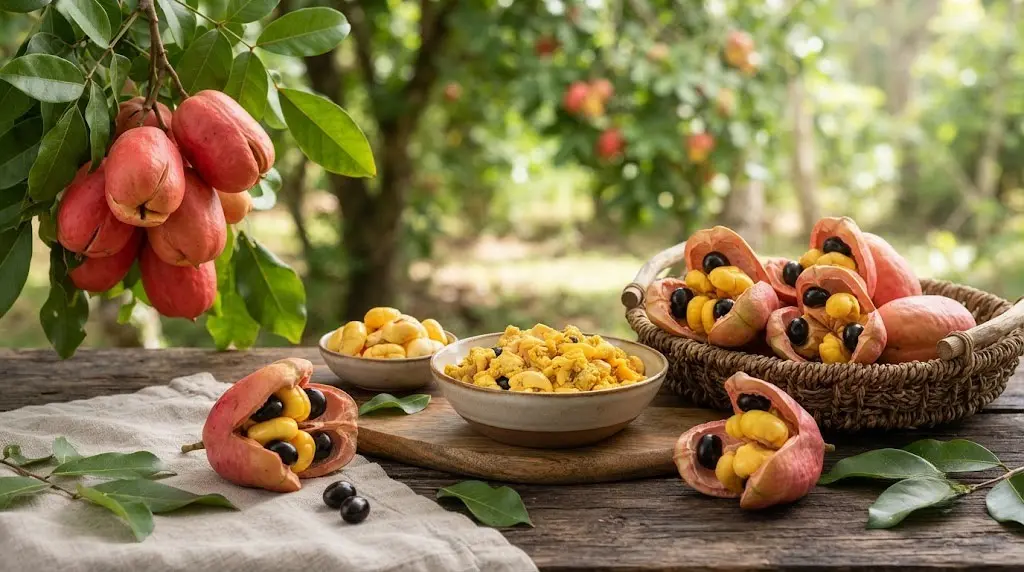
When you think of tropical superfoods, berries or exotic citrus might come to mind first. However, there is one Caribbean staple that is quietly earning its place as a nutritional titan: the ackee fruit. Beyond its unique culinary role in the famous “ackee and saltfish” dish, the benefits of ackee fruit extend far into the realms of cardiovascular support, immune health, and even weight management. But what exactly makes this yellow-fleshed fruit so special?
Native to West Africa and long cultivated in the Caribbean, ackee is botanically a fruit that behaves like a vegetable in the kitchen. It is remarkably dense with vitamins, minerals, and healthy unsaturated fats. Whether you are a fan of island cuisine or simply a curious health enthusiast looking to diversify your diet, understanding the profile of this fruit can change how you view tropical nutrition.
Understanding the Nutritional Profile of Ackee
Before diving into specific health impacts, it is essential to look at the composition of this fruit. Ackee is not just a flavor enhancer; it is a nutrient-dense food source that provides a surprisingly robust array of micronutrients. Unlike many high-sugar tropical fruits, ackee brings a savory profile to the table, supported by high concentrations of essential fatty acids.
“Ackee is rich in healthy fats, fiber, and essential vitamins and minerals. It provides a good source of vitamin A, vitamin C, niacin (B3), thiamine (B1), and riboflavin (B2), along with iron, zinc, and potassium.” — Gardenia.net
Below is a brief overview of how the nutritional density of ackee compares to other common plant-based foods often categorized as staples.
| Nutrient | Ackee Contribution | Health Impact |
|---|---|---|
| Potassium | High | Blood pressure regulation |
| Vitamin C | High | Immune system boost |
| Healthy Fats | Significant | Nutrient absorption |
| Fiber | Moderate | Digestive regularity |
1. Strengthening Cardiovascular Health
One of the most significant benefits of ackee fruit is its contribution to heart health. High blood pressure, or hypertension, is a leading risk factor for heart disease globally. Ackee contains impressive levels of potassium, a vital mineral that helps dilate blood vessels and reduce the force of the heart’s pumping action.
In addition to its mineral content, ackee is notably low in saturated fats and cholesterol. By replacing heavier, saturated fat-laden foods with ackee in your diet, you are actively choosing heart-healthy unsaturated fats. These fats help maintain optimal lipid profiles, contributing to long-term cardiovascular resilience.
2. Boosting Immune System Function
In an era where immune health is at the forefront of global wellness, incorporating vitamin-rich foods is non-negotiable. Ackee is an excellent source of Vitamin C and Vitamin A, both of which are cornerstone nutrients for immune defense. Vitamin C acts as a powerful antioxidant that helps the body combat oxidative stress, while Vitamin A plays a critical role in the maintenance and function of white blood cells.
“The presence of Vitamin C, Vitamin A, Vitamin B6, fiber, potassium, and magnesium helps the body to keep its immunity strong and fight infections and illnesses.” — Netmeds
Furthermore, the fruit contains zinc, a trace mineral often overlooked in fruit profiles. Zinc is essential for metabolic function and the rapid repair of damaged tissue, making ackee a surprisingly holistic choice for daily wellness.
3. Aiding Digestion and Metabolic Health
Fiber is often the “missing link” in modern diets, and ackee offers a substantial contribution to your daily fiber intake. By promoting consistent digestive function, the fiber in ackee helps prevent constipation and supports a healthy microbiome. Furthermore, fiber is essential for slowing down the absorption of sugars in the bloodstream.
For those mindful of their weight, the combination of healthy fats and fiber in ackee is particularly beneficial. It creates a sense of satiety, preventing the urge for unnecessary snacking. This satiating effect, combined with its relatively low carbohydrate count, makes it an interesting option for those monitoring their blood glucose levels.
4. Enhancing Bone Density
Bone health is a lifelong pursuit, requiring a steady intake of calcium, magnesium, and potassium. While dairy is the conventional source for these minerals, plant-based sources like ackee provide an excellent alternative for those who are lactose intolerant or following a vegan diet. The synergistic relationship between calcium and magnesium in ackee helps to increase bone mineral density, potentially reducing the risk of osteoporosis as the body ages.
The Safety Warning: Knowing When to Eat Ackee
While the benefits of ackee fruit are compelling, they come with a crucial caveat: safety. Ackee is famously known for being toxic if consumed when it is unripe. The unripe fruit contains hypoglycin A and hypoglycin B, toxins that can cause what is commonly referred to as “Jamaican Vomiting Sickness.”
This is why you must only consume ackee that has ripened naturally on the tree, allowing the pods to open on their own. Once harvested, the red arils (the fleshy part) should be prepared properly—usually boiled, with the water discarded. If you are buying canned ackee from a reputable source, these safety steps have already been managed for you, making it perfectly safe for consumption.
Frequently Asked Questions
Is ackee fruit safe for everyone to eat?
Ripe ackee is safe and nutritious. However, unripe ackee is toxic and should never be consumed. If you are pregnant, nursing, or have specific kidney conditions, it is best to consult with a healthcare professional before adding new high-potassium foods to your diet.
How does ackee taste?
Ackee has a very mild, nutty, and slightly buttery flavor. Its texture is often compared to scrambled eggs or a soft, creamy vegetable, which is why it pairs so perfectly with savory ingredients like salted fish, onions, and peppers.
Does ackee have any protein?
Yes, ackee provides a decent amount of protein compared to many other fruits. While it isn’t a replacement for meat or beans, it is a helpful supplementary source of plant-based protein for vegetarians.
Conclusion
The benefits of ackee fruit position it as much more than just a cultural specialty. With its rich profile of vitamins, minerals, and healthy fats, it is a legitimate superfood waiting to be integrated into broader diets. Whether you are looking to support your heart, bolster your immune system, or simply add a new, delicious flavor to your meal rotation, ackee delivers.
Are you ready to experience this tropical superfood for yourself? Start by looking for high-quality, canned, or fresh (properly ripened) ackee at your local international market. Experiment with simple stir-fries or traditional recipes this week to see just how versatile and healthy this remarkable fruit can be!