

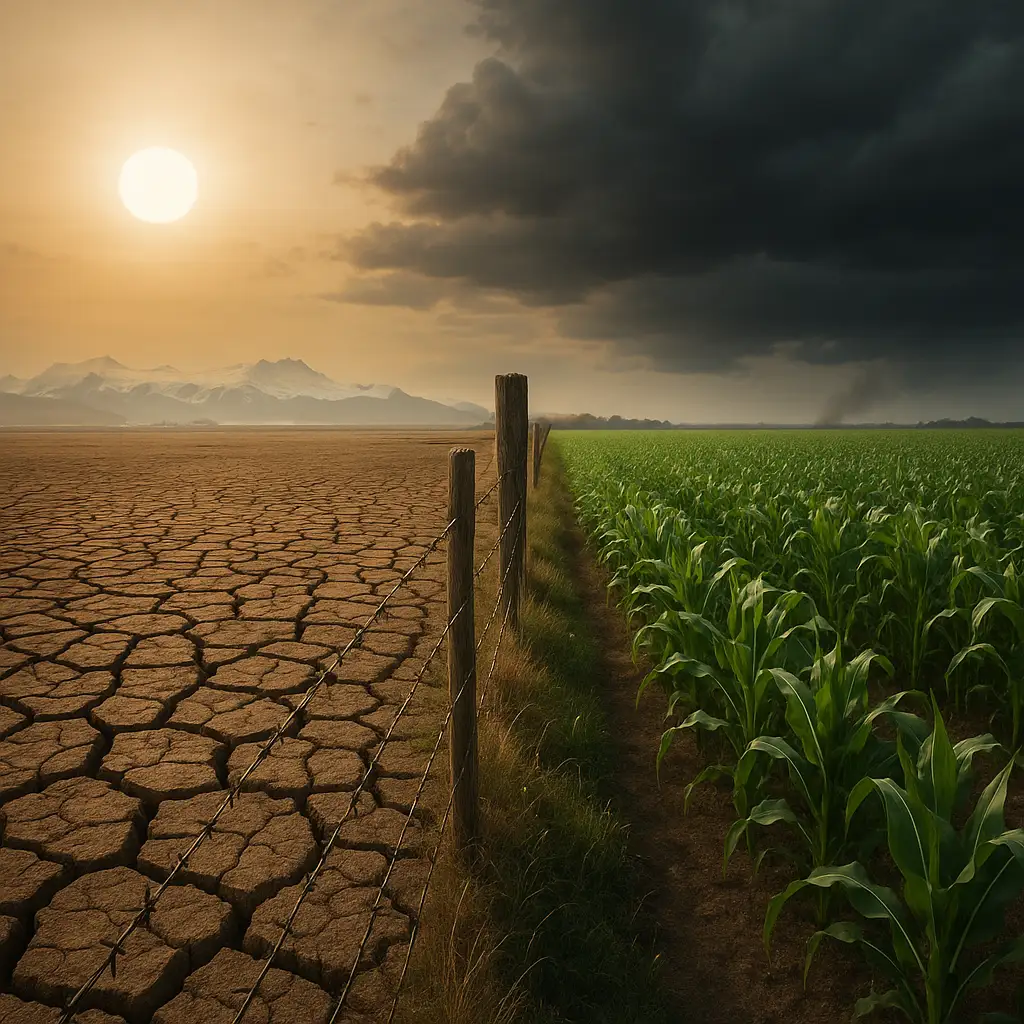
Climate change is no longer a distant threat; it is a present-day reality that is reshaping ecosystems, economies, and most critically, global food supply chains. Rising temperatures, unpredictable weather patterns, and extreme climate events are directly affecting how and where food can be grown, stored, and distributed. As we move further into 2025, the global food system faces mounting pressure to adapt and respond to these environmental shifts.
Extreme Weather Events and Crop Yields
One of the most visible effects of climate change is the increase in frequency and severity of extreme weather events. Floods, droughts, wildfires, and storms are disrupting agriculture on a global scale. For example, in 2024, prolonged droughts in Africa and heatwaves across Europe led to reduced yields of key crops like maize, wheat, and rice. According to the Food and Agriculture Organization (FAO), global cereal production dropped by over 1.5% last year due to extreme weather conditions.
These disruptions don’t just impact quantity—they affect food quality and prices too. When staple crops fail or underperform, the ripple effect is felt throughout the entire supply chain, from farmers and distributors to consumers and governments. As a result, food prices rise and availability decreases, especially in regions already struggling with poverty and hunger.
Changing Growing Conditions
As global temperatures rise, traditional farming zones are shifting. Crops that once thrived in temperate climates are now facing declining yields, while some cooler regions are experiencing longer growing seasons. However, this shift is not a simple trade-off. Many crops are highly sensitive to temperature and humidity, requiring very specific environmental conditions to grow properly.
For example, coffee and cocoa—two globally consumed commodities—are highly vulnerable to temperature fluctuations. Studies predict that suitable land for coffee farming could be halved by 2050 if current warming trends continue. Similarly, rice, a staple food for over half the world’s population, is facing reduced productivity due to higher nighttime temperatures, which hinder grain development.
Impact on Livestock and Fisheries
It’s not just crops that are affected. Livestock and fisheries are also experiencing the consequences of climate change. Rising temperatures increase heat stress in animals, reduce milk and meat productivity, and heighten the risk of disease outbreaks. Water shortages further limit livestock farming, particularly in arid and semi-arid regions.
Meanwhile, warming oceans are causing fish stocks to migrate away from traditional fishing grounds. Coral reef degradation and ocean acidification are threatening marine biodiversity, which directly impacts fisheries and the livelihoods of millions who depend on them. In Southeast Asia and the Pacific Islands, declining fish populations are already leading to food insecurity in coastal communities.
Global Inequality and Food Insecurity
The impact of climate change on food supply is not evenly distributed. Developing countries are disproportionately affected, despite contributing the least to global greenhouse gas emissions. Many of these nations rely heavily on agriculture for both food and income, and lack the infrastructure, resources, or technology to adapt quickly.
According to the World Food Programme, over 800 million people faced food insecurity in 2024—a number expected to rise due to continued climate disruptions. In countries where conflict, political instability, and poverty already threaten food access, climate change adds yet another layer of vulnerability.
Adaptation and Mitigation Strategies
While the outlook may seem grim, there are several ongoing global efforts to mitigate the effects of climate change on food production. One such approach is climate-smart agriculture, which involves sustainable farming techniques that reduce emissions and increase resilience. Examples include crop rotation, agroforestry, conservation tillage, and the development of drought-resistant seed varieties.
Governments, NGOs, and international organizations are investing in early warning systems for droughts and floods, improving irrigation infrastructure, and promoting regenerative agriculture. Technology is also playing a key role. From satellite imaging that tracks soil moisture to AI-powered crop forecasting, digital tools are helping farmers make better decisions amid changing conditions.
Conclusion
Climate change is one of the most serious threats to global food security in the 21st century. Its impact is complex, far-reaching, and growing. While innovation and adaptation provide hope, urgent and coordinated global action is required to safeguard the future of food. The choices made today—in policy, technology, and sustainability—will shape how and what the world eats tomorrow.
Understanding the link between climate change and food systems is no longer optional; it is essential. As consumers, advocates, and global citizens, raising awareness and demanding climate action can help build a more resilient, fair, and food-secure world.