
As we step deeper into 2025, the global food landscape is undergoing rapid transformation driven by sustainability, technology, health awareness, and cultural shifts. Whether you’re a food enthusiast, restaurant owner, content creator, or just someone who loves to stay informed, understanding the latest food trends can help you stay ahead of the curve. In this blog, we’ll explore the top global food trends of 2025 and what they mean for the future of eating.
1. Rise of AI-Powered Kitchens
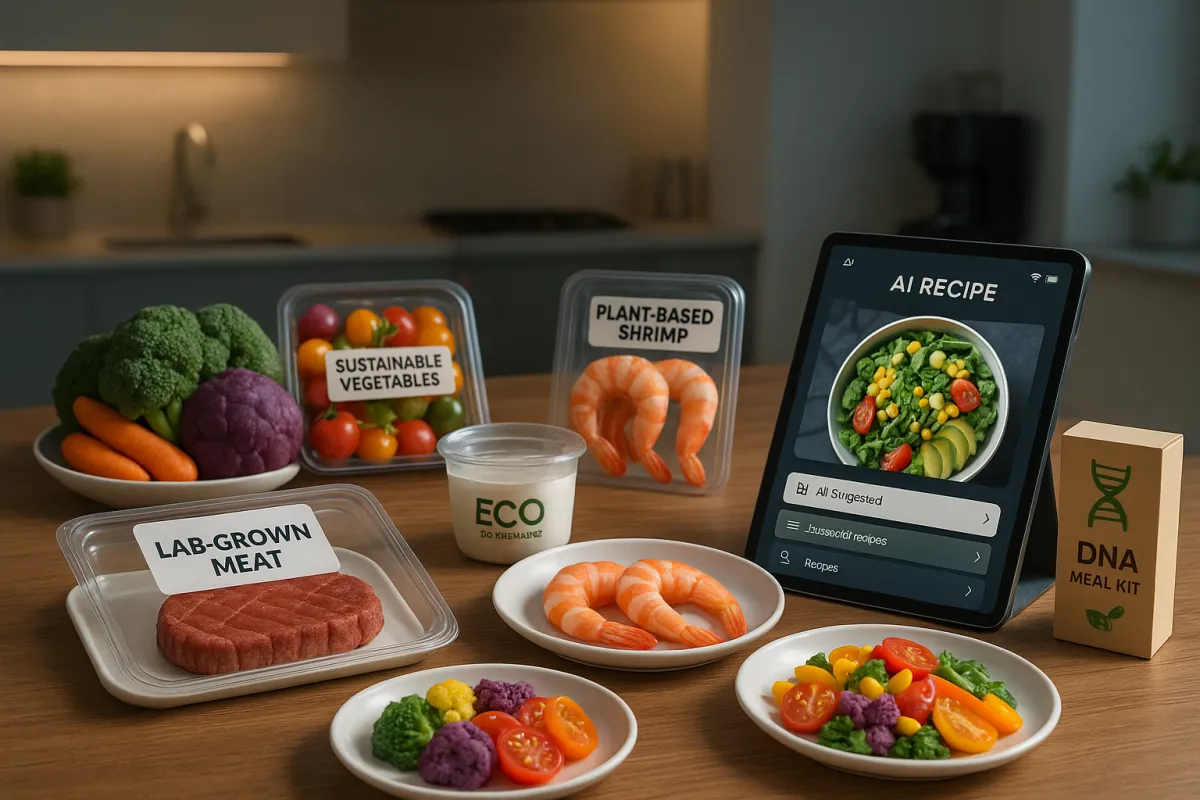
Artificial intelligence is no longer a distant concept in the culinary world. In 2025, AI is actively transforming how we prepare meals, order groceries, and even design recipes. Smart kitchen appliances now use predictive algorithms to suggest meals based on ingredients you already have, reducing food waste. Restaurants are also integrating AI to optimize food preparation, manage inventory, and enhance customer experience through chat-based ordering systems and personalized menus.
2. Mainstream Adoption of Lab-Grown Meat
After years of research and regulation delays, lab-grown meat is finally becoming commercially available in several countries. Companies like Upside Foods, Eat Just, and Aleph Farms are leading the way in offering cultured chicken, beef, and seafood. These products are developed in controlled environments using animal cells, reducing the need for traditional livestock farming. With growing concerns about animal welfare and climate change, consumers are showing increased interest in alternative proteins that replicate the taste and texture of real meat.
3. Global Push for Zero-Waste Cooking
Zero-waste cooking is not a niche trend anymore—it’s becoming a global movement. From home kitchens to Michelin-starred restaurants, chefs are finding creative ways to use every part of the ingredient. Carrot tops are turned into pesto, stale bread becomes croutons, and leftover vegetables go into broths. The movement is supported by growing environmental awareness and rising food prices, encouraging people to make the most of what they have. Expect to see more cookbooks, courses, and food products dedicated to sustainable, waste-free cooking in 2025.
4. Surge in Plant-Based Seafood
While plant-based meat alternatives have been trending for a few years, 2025 is witnessing a surge in plant-based seafood options. Companies like Good Catch, New Wave Foods, and Current Foods are producing alternatives to tuna, shrimp, and salmon using legumes, seaweed, and algae. These innovations address sustainability issues tied to overfishing and marine ecosystem damage. As awareness about ocean health rises, consumers are exploring these seafood alternatives not just for ethical reasons, but also for their taste and nutritional benefits.
5. Functional Foods for Mental Wellness
The connection between food and mental health is finally getting the spotlight it deserves. In 2025, there’s an increasing demand for functional foods—those designed to offer health benefits beyond basic nutrition. Ingredients like ashwagandha, magnesium, omega-3 fatty acids, and probiotics are being added to snacks, beverages, and meals aimed at reducing anxiety, improving sleep, and boosting cognitive function. Global brands are investing in research-backed formulations to meet consumer interest in food that supports both body and mind.
6. Regenerative Agriculture on the Rise
Regenerative agriculture is emerging as a key concept in the global food economy. Unlike traditional sustainable farming, regenerative practices focus on restoring soil health, increasing biodiversity, and drawing carbon from the atmosphere. Large food corporations and small farms alike are adopting this model, and it’s becoming a major selling point for conscious consumers. Labels like “regeneratively grown” or “carbon negative” are expected to become common in grocery stores this year.
7. Personalized Nutrition Based on DNA
Advancements in biotechnology have made it possible for individuals to receive dietary recommendations based on their genetic makeup. In 2025, personalized nutrition services are more accessible than ever, thanks to at-home DNA testing kits and AI-driven diet planning apps. These services analyze your genes to offer insights into how your body metabolizes fat, reacts to caffeine, and absorbs nutrients. Though still controversial in some medical circles, personalized nutrition is attracting consumers who want hyper-customized food plans for weight management and long-term health.
8. Food Transparency and Blockchain Tracking
Food transparency continues to be a priority for consumers in 2025. People want to know where their food comes from, how it was produced, and whether it’s safe to eat. Blockchain technology is now being used by several food brands to create secure, traceable records from farm to fork. Shoppers can scan a QR code on the packaging and access a complete history of the product—including origin, processing methods, transportation details, and certifications. This technology is building trust in a time when food fraud and contamination concerns are on the rise.
9. Cultural Food Appreciation and Preservation
Amid globalization and fast food dominance, 2025 is seeing a renewed appreciation for traditional and indigenous food cultures. Chefs, communities, and food historians are working to preserve ancient recipes, cooking techniques, and local ingredients. UNESCO is also expanding its list of Intangible Cultural Heritage to include more food traditions. As travelers and social media influencers highlight regional cuisines, there’s a stronger emphasis on cultural respect and authenticity, not just aesthetics or trends.
Conclusion
The food world is evolving rapidly, driven by innovation, sustainability, and a deeper understanding of health and culture. From lab-grown meat to DNA-based nutrition plans, the trends of 2025 show that the future of food is not just about what’s on our plates, but how it got there and what impact it has. Staying informed about these global shifts helps consumers, businesses, and creators make smarter choices that align with the changing food ecosystem.