

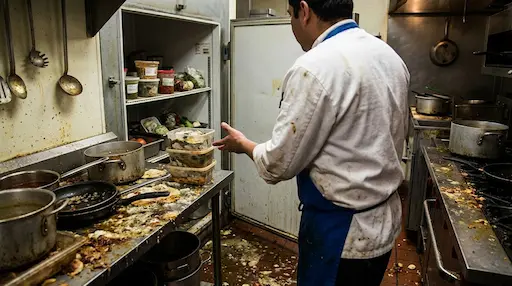
When reality television meets absolute hospitality disaster, few moments match the pure, unfiltered shock of seeing ramsay-outraged-by-disgusting-mexican-kitchen-kitchen-nightmares unfold on screen. Millions of viewers tune in week after week to watch world-renowned chef Gordon Ramsay untangle failing restaurant operations. However, few episodes spark as much disbelief and fiery confrontation as those exposing severe health code violations, rotting ingredients, and staggering financial ruin.
Running any food service establishment requires absolute precision, flawless communication, and relentless hygiene standards. Unfortunately, when structural denial and massive debt take over, owners often lose sight of basic operational safety. Let us examine what happened during these infamous kitchen interventions and what business leaders can learn from these shocking real-world wake-up calls.
The Anatomy of a Crisis: Why Failing Kitchens Need Immediate Shock Therapy
Before any meaningful transformation can begin, underlying operational failures must be brought directly into the light. Many establishments featured on the hit series suffer from severe financial burdens, rotting produce, and deep-seated staff resentment. Owners frequently point fingers at external factors like the economy or bad luck rather than addressing their own leadership blind spots. Consequently, a gentle reminder or standard corporate seminar will never cut through years of accumulated complacency.
To break through this heavy psychological armor, a severe disruption is required. The iconic explosive confrontation acts as an immediate psychological shock to the system. By stripping away excuses and forcing owners to confront unhygienic prep stations or plummeting revenue firsthand, Ramsay creates an undeniable turning point. It is uncomfortable, raw, and intense, but it lays bare the harsh reality necessary for genuine survival.
“Denial is the single biggest enemy of any struggling business. Until an owner looks the truth in the eye, no amount of financial investment or menu redesign will save them.” — Hospitality Leadership Review
Core Elements That Drive a Successful Turnaround Intervention
Not every shouting match results in a successful restaurant resurrection. The most memorable episodes share a specific structural progression moving from total chaos to structured accountability. Understanding this trajectory reveals why certain businesses bounce back while others permanently close their doors.
- Shattering the Illusion: Exposing hidden health code violations, day-old inventory, and plummeting customer satisfaction scores.
- Challenging the Ego: Directly confronting stubborn management personnel who refuse to delegate authority or accept constructive feedback.
- Uniting the Workforce: Bridging the communication gap between front-of-house staff and back-of-house cooks.
- Rebuilding Standard Operating Procedures: Introducing simplified menus, streamlined prep schedules, and strict cleanliness protocols.
Leadership Lessons from Reality Television’s Toughest Critic
While television editing heavily emphasizes dramatic confrontations, seasoned executives recognize valuable management principles beneath the noise. True leadership demands absolute transparency and an absolute unwillingness to tolerate mediocrity. When morale plummets and food safety standards slip, leaders cannot afford to sugarcoat critical issues.
Furthermore, these intense exchanges highlight the vital importance of psychological safety combined with strict accountability. Once the air is cleared and everyone accepts responsibility, team members often rally together with renewed purpose. For further insights into modern food service management trends, you can explore resources provided by Restaurant Business Online to stay informed on industry best practices.
| Stage of Intervention | Primary Objective | Expected Psychological Impact |
|---|---|---|
| The Initial Shock | Expose critical operational failures and health hazards | Shatter defensive denial and trigger emotional honesty |
| The Confrontation | Directly challenge poor leadership and toxic habits | Remove ego barriers and foster accountability |
| The Rebuild | Implement streamlined systems and simplified menus | Restore operational confidence and teamwork |
Why Audiences Connect Deeply with These Dramatic Transformations
The enduring appeal of these dramatic television moments goes far beyond mere entertainment value. Viewers across the globe relate to universal themes of perseverance, overcoming workplace dysfunction, and fighting for a dream against steep odds. Everyone has experienced a toxic work environment or a stubborn boss at some point in their professional journey.
When Ramsay steps in to champion hardworking line cooks and servers who suffer due to poor management, he becomes an agent of justice. The explosive intervention serves as the narrative catalyst where the underdog finally gets a fighting chance. Consequently, these unforgettable television milestones continue to inspire deep analysis videos and professional management discussions worldwide.
“True motivation is never about shouting for the sake of noise; it is about awakening a dormant standard of excellence that people forgot they were capable of achieving.” — Culinary Management Today
Frequently Asked Questions
1. Why are Gordon Ramsay’s restaurant interventions so aggressive?
Aggressive communication is used as a deliberate shock tactic to break through years of denial, stubbornness, and complacency in failing restaurant owners.
2. Do restaurants featured on the show actually survive long-term?
While some establishments successfully turnaround and thrive after implementing new systems, a significant number still struggle due to deep-seated financial debt or management relapse.
3. What is the primary cause of failure in most struggling restaurants?
Poor leadership, lack of inventory control, poor financial tracking, and a failure to listen to customer feedback are the most common culprits.
4. How do staff members react once the initial shock subsides?
After the initial shock, staff members typically experience a surge in morale and clarity as clear operating standards and mutual respect are finally established.
Conclusion
Analyzing the mechanics behind a high-stakes restaurant intervention reveals that great leadership requires courage, emotional clarity, and uncompromising standards. While the dramatic shouting matches make for unforgettable television, the enduring lesson lies in accountability and team unity.
Are you ready to elevate your professional leadership skills and tackle your biggest operational challenges head-on? Share your thoughts below, explore our library of industry insights, and join the conversation today!