

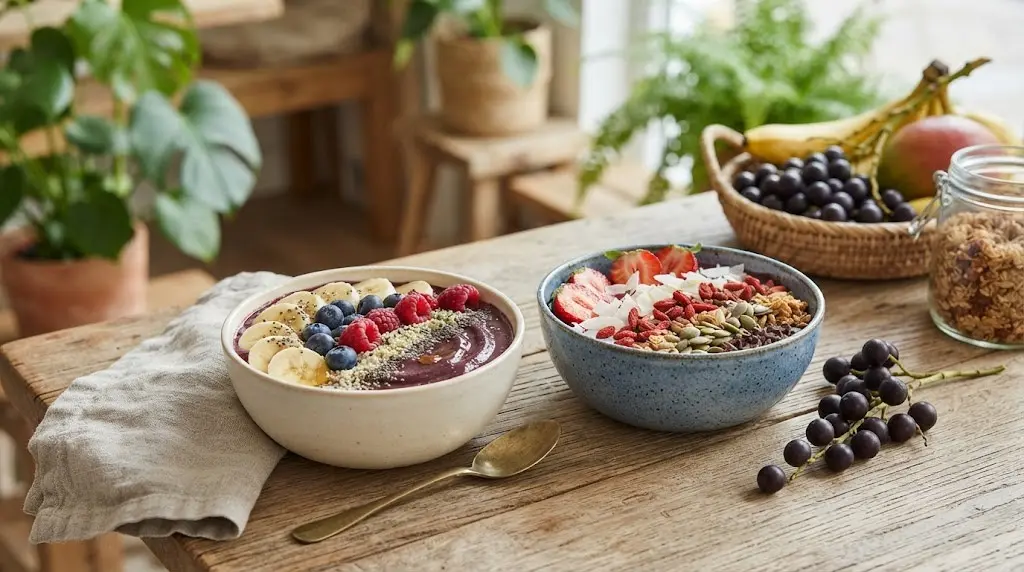
The acai berry has been the darling of the wellness world for over a decade. Often labeled a “superfood,” this small, dark purple fruit from the Amazonian palm tree (Euterpe oleracea) has found its way into smoothie bowls, supplements, and beauty products across the globe. But beyond the vibrant aesthetic and the social media hype, what are the actual benefits of acai supported by scientific research?
It is easy to get lost in the marketing noise surrounding superfoods. However, when we strip away the exaggerated claims, we find a fruit that is legitimately rich in beneficial nutrients. From potent antioxidant properties to potential heart-health support, understanding the true value of acai is essential for any health-conscious consumer.
In this article, we will cut through the misinformation. We will examine the nutritional profile of acai, look at what the current research says about its health impacts, and provide practical advice on how to incorporate it into your diet safely and effectively.
What Makes Acai Unique?
To understand the benefits of acai, you must first look at its composition. Unlike many other fruits that are high in natural sugars and water, acai berries are remarkably high in healthy fats. They are essentially a “fatty fruit,” similar in some ways to an avocado or an olive.
The berry is composed of approximately 90% seed and only 10% pulp and skin. Because it spoils rapidly, you will rarely find fresh, raw acai berries outside of the Amazon region. Instead, they are typically processed into frozen purées, freeze-dried powders, or juices.
The dark purple color of the acai berry is its most famous attribute. This pigment comes from anthocyanins, a type of flavonoid that acts as a powerful antioxidant. These compounds are responsible for much of the fruit’s nutritional value and its reputation in the wellness community.
Nutritional Snapshot
While nutritional values can vary depending on the processing method, the following table offers a general breakdown of why this fruit is considered nutritionally dense.
| Nutrient | Potential Role |
|---|---|
| Anthocyanins | Antioxidant activity; cellular protection. |
| Monounsaturated Fats | Oleic acid support for cardiovascular health. |
| Dietary Fiber | Digestive health and satiety. |
| Trace Minerals | Magnesium, potassium, and copper. |
Science-Backed Benefits of Acai
When discussing the benefits of acai, it is important to distinguish between preliminary scientific findings and established medical fact. While researchers are actively studying the fruit, many human trials are still in early stages. Nevertheless, the existing body of research highlights several promising areas.
1. High Antioxidant Capacity
Perhaps the most significant benefit of acai is its extremely high concentration of antioxidants. These molecules help neutralize free radicals—unstable molecules that can cause oxidative stress and cellular damage. Left unchecked, free radical damage can accelerate aging and increase the risk of chronic illnesses.
“Acai berries are rich in anthocyanins and other polyphenols, which can help reduce oxidative stress in arteries, contributing to overall cardiovascular protection.”
Research indicates that the antioxidant content of acai pulp is significantly higher than that of common fruits like blueberries, strawberries, or raspberries. By integrating these antioxidants into your diet, you support your body’s natural defense mechanisms against oxidative damage.
2. Cardiovascular Support
Heart health is a primary driver for many who consume acai supplements. Studies have suggested that the fruit’s polyphenols may help improve lipid profiles. Specifically, there is evidence that acai might assist in maintaining healthy cholesterol levels by lowering LDL (the “bad” cholesterol) while potentially maintaining or increasing HDL (the “good” cholesterol).
Additionally, the fat profile of the acai berry is predominantly monounsaturated. This is the same type of healthy fat found in olive oil, which is a staple of heart-healthy diets. By swapping out less nutritious snacks for acai, you are opting for fats that support, rather than hinder, your cardiovascular system.
3. Cognitive Function and Brain Health
Emerging research has pointed toward the neuroprotective potential of acai. The same anthocyanins that protect your cells from oxidative stress may also support brain health. Some animal-based studies have shown that acai extracts can reduce markers associated with chronic inflammatory diseases. While we need more human clinical trials to confirm these results, the initial data is compelling.
The Truth About Weight Loss Claims
If you search for the benefits of acai online, you will likely encounter advertisements claiming the fruit promotes rapid weight loss. We must address this clearly: there is no scientific evidence to support these claims.
In the past, the Federal Trade Commission (FTC) has taken legal action against marketers who used deceptive practices to sell acai as a weight-loss miracle. Acai is a healthy whole food, but it is not a magic pill. Relying on it to “burn fat” without a balanced diet and regular exercise is ineffective. If you see products promising dramatic weight loss through acai, you should approach them with extreme skepticism.
How to Choose and Use Acai
Because acai spoils quickly after harvest, the method of preservation matters immensely. If you want to experience the true benefits of acai, pay attention to the quality of the product you are buying.
Freeze-dried powder is often considered the best way to retain nutrients. The freeze-drying process removes moisture while preserving the antioxidants, vitamins, and healthy fats. This allows for a convenient, shelf-stable product that you can easily add to smoothies, yogurt, or oatmeal.
When selecting a product, look for:
- Unsweetened labels: Many acai purées sold in stores are loaded with added sugars. Always check the ingredient list.
- Purity: Opt for products where acai is the primary or sole ingredient.
- Sustainability: Since acai is a vital crop for Amazonian communities, look for brands that prioritize ethical sourcing.
Furthermore, avoid raw, unpasteurized acai juice from unreliable sources. As noted by health authorities, there is a risk of contracting Chagas disease—a parasitic infection—from improperly processed acai juice from rural regions in Central and South America. Commercially processed, pasteurized, and frozen products sold in reputable stores are generally safe.
Conclusion
The benefits of acai are rooted in its impressive nutritional profile. As a potent source of antioxidants, healthy fats, and dietary fiber, it is a valuable addition to a balanced, whole-food diet. It acts as an excellent supporting player in a healthy lifestyle, providing the nutrients necessary to combat oxidative stress and support heart health.
However, it is crucial to temper your expectations. Acai is not a miracle cure for weight loss or an anti-aging elixir. It is a dense, nutrient-rich fruit that works best when combined with a diverse diet of vegetables, lean proteins, and whole grains. By choosing high-quality, unsweetened forms, you can enjoy the delicious, earthy flavor of this Amazonian staple while giving your body a nutritional boost.
Ready to refresh your pantry? Try incorporating a teaspoon of organic, unsweetened acai powder into your morning smoothie tomorrow and observe how it enhances your routine. If you have underlying health conditions, always consult with your healthcare provider before adding new supplements to your daily regimen.
Frequently Asked Questions
Is acai berry a weight-loss miracle?
No. Despite aggressive marketing claims, there is no scientific evidence that acai supplements cause weight loss. Any product claiming “rapid weight loss” through acai should be viewed with extreme caution.
Can I eat acai if I am on medication?
If you take medication, particularly for cholesterol or blood pressure, you should consult your doctor before consuming high amounts of acai supplements. Antioxidant-rich foods can occasionally interact with certain medications.
Is it safe to drink raw acai juice?
It is generally safer to stick to commercially processed, pasteurized, or freeze-dried acai products. Raw, unpasteurized acai juice has been linked to cases of Chagas disease, a parasitic infection, due to improper processing in rural areas.
How much acai should I eat daily?
There is no official recommended daily intake. However, most experts suggest 1–2 tablespoons of acai powder or a single serving of frozen purée as part of a balanced diet.