

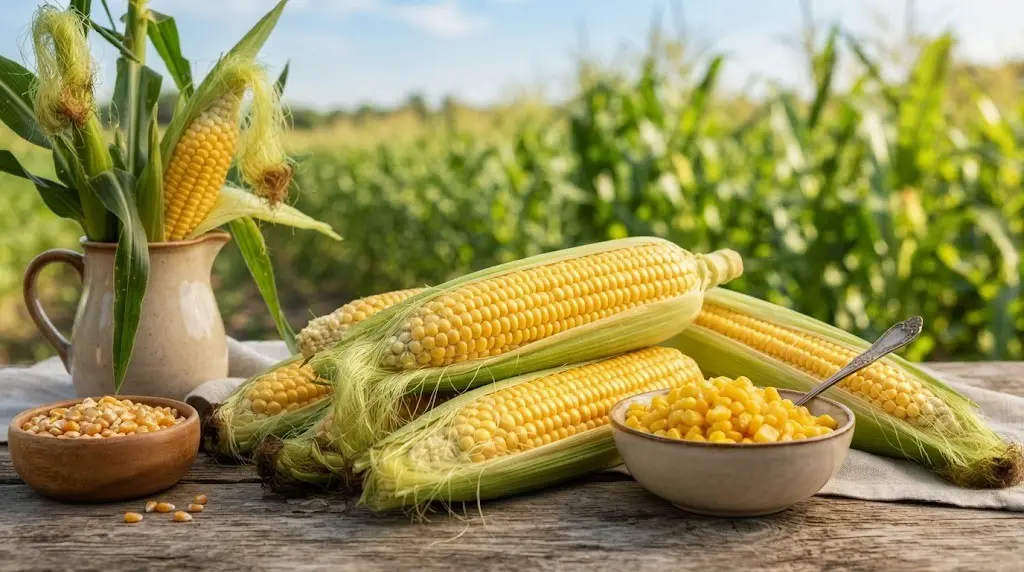
Is corn a delicious superfood or just a sugary blood sugar trap? For years, health enthusiasts have debated this exact question. Many people dismiss sweet corn as empty starch. However, modern scientific research tells a completely different story. Unlocking the true benefits of corn reveals a complex whole grain packed with essential vitamins, powerful antioxidants, and gut-healing fiber.
For centuries, ancient civilizations in Central and South America relied on maize as their staple crop. Today, nutritionists are uncovering why this golden grain deserves a regular place on your plate. In fact, whole corn offers unique health perks that rival other well-known cereal grains like oats and wheat.
In this comprehensive guide, we will examine the latest clinical evidence. You will discover how corn supports your digestive system, protects your eyesight, and boosts your heart health. Therefore, if you want to optimize your diet with affordable whole foods, keep reading to learn the facts.
Is Corn a Grain or a Vegetable? (Understanding Maize)
Many consumers feel confused about how to classify corn in their daily diet. The answer actually depends on when farmers harvest the crop. When you eat fresh sweet corn off the cob, your body treats it like a starchy vegetable. On the other hand, harvested dry corn kernels count as a whole grain.
Nutritiously speaking, whole corn delivers the best qualities of both food groups. It supplies rich plant-based carbohydrates for sustained daily energy. Furthermore, unprocessed corn is naturally gluten-free. This makes it an ideal staple for individuals with celiac disease or gluten sensitivity.
However, processing changes everything. High-fructose corn syrup and refined cornstarch strip away the grain’s protective bran and germ. As a result, refined corn products lack fiber and nutrients. To enjoy true health perks, you must choose whole, minimally processed corn varieties.
Key Nutritional Profile of Whole Sweet Corn
To understand why this grain is so beneficial, we must look at its nutritional density. One medium ear of yellow sweet corn (roughly half a cup of kernels) provides a rich array of essential micronutrients.
- Calories: 90 to 98 kcal
- Dietary Fiber: 2.0 to 2.5 grams
- Protein: 3.0 grams
- Carbohydrates: 19 to 23 grams
- Sugars: 3.7 to 6.0 grams (natural fructose)
- Potassium: 294 milligrams
- Vitamin C: 7 milligrams
- Folate (B9): 40 micrograms
- Magnesium: 32 milligrams
Additionally, yellow corn contains roughly 900 micrograms of eye-protecting carotenoid antioxidants per serving. Surprisingly, a medium ear of sweet corn has less than one-third of the natural sugar found in a Red Delicious apple. Consequently, its low sugar profile makes it a smart choice for balanced eating.
Comparing Whole Corn vs. Refined Corn Products
Not all corn products affect your body in the same way. The table below illustrates how whole sweet corn compares against heavily refined derivatives.
| Corn Form | Fiber Content | Glycemic Impact | Antioxidant Density | Primary Health Outcome |
|---|---|---|---|---|
| Whole Sweet Corn | High (Insoluble) | Low to Moderate | Very High | Supports gut health and vision |
| Whole Air-Popped Popcorn | Very High | Low | High (Polyphenols) | Promotes satiety and digestion |
| Refined Cornmeal / Chips | Low | High | Low | May cause blood sugar spikes |
| High-Fructose Corn Syrup | Zero | Extremely High | Zero | Increases risk of metabolic strain |
Top Evidence-Based Health Benefits of Corn
Scientific interest in maize has grown significantly over recent years. Researchers have identified several clinical reasons to include whole corn in a healthy lifestyle. Here are the primary evidence-based benefits of corn.
1. Promotes Gut Health and Microbiome Diversity
Dietary fiber is essential for maintaining a resilient digestive tract. Fortunately, whole corn consists primarily of insoluble fiber like cellulose, hemicellulose, and lignin. This insoluble fiber adds necessary bulk to your stool, which prevents constipation and ensures smooth bowel transit.
Moreover, the fiber in corn acts as a natural prebiotic. Prebiotics feed the healthy probiotic bacteria living inside your gut microbiome. During fermentation, your intestinal bacteria convert corn fiber into beneficial short-chain fatty acids (SCFAs).
“Prebiotics feed the healthy bacteria in your gut. They help your digestive system break down and absorb nutrients. During this process, gut bacteria change corn fiber into short-chain fatty acids that may lower colorectal cancer risks.” — Clinical Dietitians at Cleveland Clinic
In fact, a human trial published in the British Journal of Nutrition by researchers at the University of Reading evaluated whole grain corn cereal. Participants who consumed whole maize daily experienced significant increases in beneficial fecal bifidobacteria levels after just 21 days according to findings tracked by the Whole Grains Council.
2. Protects Vision and Prevents Macular Degeneration
Bright yellow corn gets its brilliant hue from plant pigments known as carotenoids. Specifically, yellow sweet corn contains high concentrations of lutein and zeaxanthin. These two antioxidants accumulate directly in the retina of the human eye.
Once inside your retina, lutein and zeaxanthin act as a natural sunblock. They filter harmful high-energy blue light rays and neutralize free radicals. As a result, consuming carotenoid-rich foods helps protect delicate visual cells from oxidative damage.
“Lutein and zeaxanthin are pigments with anti-inflammatory properties that are particularly good for your eyes. Research suggests they reduce the risk of age-related macular degeneration (AMD) and cataracts.” — Clinical Insights from GoodRx Medical Review
Therefore, eating whole yellow corn regularly can support long-term ocular health. It provides effective natural protection against age-related vision loss.
3. Supports Heart Health and Lowers Cholesterol
Cardiovascular disease remains a leading health concern worldwide. Fortunately, whole corn contains natural plant compounds called phytosterols. Phytosterols possess a chemical structure very similar to animal cholesterol.
When you digest corn, phytosterols compete with cholesterol for absorption in your digestive tract. Consequently, your body absorbs less dietary cholesterol into the bloodstream. In addition, corn contains ubiquinone (CoQ10), a vital nutrient that supports heart muscle energy production.
Furthermore, darker varieties of corn offer unique cardiovascular benefits. Blue and purple corn are rich in anthocyanins. These powerful antioxidants help maintain vascular flexibility, support healthy blood pressure, and reduce systemic inflammation.
4. Provides Sustained Energy Without Extreme Blood Sugar Spikes
Many individuals worry that starchy vegetables will cause rapid blood sugar spikes. However, whole corn ranks low to moderate on the glycemic index scale. This controlled glycemic response occurs because corn pairs complex carbohydrates with dietary fiber and plant protein.
Because your digestive enzymes break down complex carbohydrates slowly, glucose enters your bloodstream at a steady pace. Therefore, eating corn provides long-lasting energy without triggering dramatic insulin spikes. Furthermore, its fiber content promotes prolonged feelings of fullness, aiding weight management.
5. Delivers Potent Antioxidant Activity to Fight Cellular Aging
Did you know that corn has higher total antioxidant activity than many other common cereal grains? Laboratory comparisons show corn outperforms oats, wheat, and rice in total phenolic content. A major contributor to this antioxidant strength is ferulic acid.
Ferulic acid is a polyphenol antioxidant that neutralizes destructive free radicals throughout the body. Interestingly, thermal processing actually increases the bioavailability of ferulic acid in sweet corn. Thus, cooking sweet corn helps release bound antioxidants, making them easier for your body to absorb.
Additionally, corn contains quercetin. Preliminary medical research indicates quercetin helps protect brain cells from neuroinflammation. Consequently, scientists are actively studying its potential role in preserving cognitive function as we age.
Color Matters: Nutrient Profiles Across Corn Varieties
While standard yellow sweet corn is extremely popular, maize comes in a stunning rainbow of colors. Each distinct pigment signifies a unique set of protective phytonutrients.
- Yellow Corn: Packed with lutein, zeaxanthin, and beta-carotene for eye and skin protection.
- White Corn: Mild and sweet, though it contains lower concentrations of carotenoid antioxidants.
- Purple and Blue Corn: Loaded with anthocyanins, which lower oxidative stress and support blood vessel integrity.
- Red Corn: High in flavonoids and specialized polyphenols that combat chronic tissue inflammation.
In addition, choosing colorful whole-grain corn products like blue corn tortilla chips or purple corn tea allows you to diversify your antioxidant intake easily.
How to Eat Corn Safely: Portions, Diabetes, and Preparation
Although the benefits of corn are substantial, proper preparation and portion control remain critical. Like any starchy food, overeating corn can increase overall daily calorie and carbohydrate totals.
If you have type 2 diabetes or manage insulin sensitivity, you can still enjoy corn safely. Dietitians recommend counting a half-cup serving of sweet corn as one 15-gram carbohydrate choice. Pairing corn with lean protein, healthy fats, and non-starchy greens helps stabilize post-meal blood sugar levels further.
Furthermore, how you cook corn matters tremendously. Smothering corn in excessive butter, heavy cream, or melted cheese adds excess saturated fat. Instead, try these light and healthy preparation methods:
- Fire-Grilling: Grill fresh ears in their husks to lock in natural sweetness without added oils.
- Steaming: Lightly steam fresh or frozen kernels to preserve delicate water-soluble B vitamins.
- Fresh Salads: Toss cooked kernels with diced tomatoes, black beans, lime juice, and fresh cilantro.
- Air-Popping: Enjoy plain air-popped popcorn for a crunchy, high-fiber whole grain snack.
Frequently Asked Questions
Is corn good for weight loss?
Yes, whole corn can support weight loss when eaten in moderation. Its high fiber and protein content promote satiety, helping you feel full longer and preventing overeating throughout the day.
Does corn spike your blood sugar?
Unprocessed sweet corn has a low to moderate glycemic index. Because its fiber and complex carbohydrates digest slowly, whole corn causes a gradual release of energy rather than a sudden blood sugar spike.
Why do corn kernels pass through digestion whole?
The tough outer shell of a corn kernel is made of insoluble cellulose fiber. Your body cannot break down cellulose, so the hull passes through intact. However, your body fully digests and absorbs the inner nutrients.
Is canned corn as healthy as fresh sweet corn?
Canned corn retains most of its fiber, protein, and antioxidant content. However, always read product labels carefully to choose options packed in water without added sodium or sugars.
Is corn naturally gluten-free?
Yes, pure corn in all its natural forms is completely gluten-free. It serves as an excellent, nutritious whole grain alternative for individuals with celiac disease or non-celiac gluten sensitivity.
Conclusion: Embracing the Health Benefits of Corn in Your Diet
In conclusion, whole corn is far more than a simple summer side dish. The rich benefits of corn span from feeding your gut microbiome to protecting your eyes from age-related decline. By supplying complex carbohydrates, heart-healthy phytosterols, and potent ferulic acid, this humble grain earns its place in a healthy diet.
While processed corn derivatives like high-fructose corn syrup should be avoided, whole sweet corn and plain popcorn are dense with vitality. Incorporating colorful varieties into your weekly meal planning is an easy, delicious way to elevate your everyday nutrition naturally.
Are you ready to transform your meals with wholesome grains? Pick up fresh sweet corn or frozen whole kernels at your local grocer today. Try grilling ears with a touch of olive oil and herbs for a delicious, heart-healthy feast!