

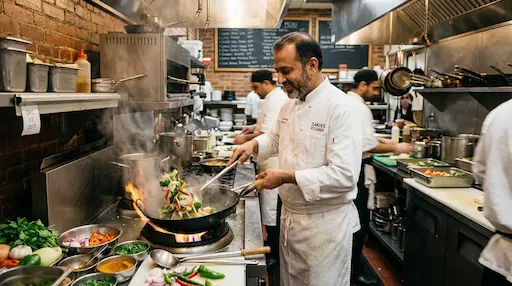
Television cooking shows have long transformed how families prepare daily meals, and few broadcasts left a lasting impact quite like zakirs-kitchen-december-11th2017. Airing on DawnNews TV during a golden era of Pakistani culinary programming, Chef Zakir Hussain delivered masterclasses that made complex recipes approachable for household cooks. Whether you want to recreate nostalgic winter curries or refine your daily meal preparation, examining this specific broadcast reveals timeless techniques in South Asian gastronomy.
During winter, home cooks frequently seek warm, nutrient-rich dishes that nourish family members during cold evenings. Consequently, culinary broadcasts aired in mid-December consistently featured rich, aromatic entrees paired with comforting hot beverages. In this article, we will analyze the culinary principles showcased in zakirs-kitchen-december-11th2017, explore fundamental spice-tempering methods, and evaluate why classic television recipes remain vital in today’s fast-paced digital world.
The Cultural Impact of Chef Zakir Hussain on DawnNews
For over two decades, late celebrity chef Zakir Hussain stood as a towering figure across South Asian broadcast media. Broadcasting every Monday through Friday at 11:05 AM PST, his program prioritized accessible ingredients, household budget management, and practical cooking techniques. Unlike modern fast-paced short-form food clips, Chef Zakir took time to explain the rationale behind every step.
Furthermore, his clear instruction style empowered home cooks across various experience levels to attempt intricate restaurant-style curries and traditional desserts with confidence. Broadcasts like zakirs-kitchen-december-11th2017 served as a trusted masterclass for thousands of viewers seeking balanced flavor profiles for seasonal family dining.
“Culinary excellence is never about expensive ingredients; it is about respecting the technique, balancing spice profiles, and cooking with genuine passion.” — Chef Zakir’s Culinary Philosophy
Why Mid-Winter Cooking Requires Specific Culinary Techniques
Seasonal transitions drastically alter body temperature regulation and metabolic appetites. As temperature levels drop across the region in mid-December, traditional recipes pivot heavily toward warming whole spices like cloves, cinnamon, black pepper, and star anise. These spices contain volatile aromatic compounds that provide natural heat and aid digestion during heavy winter meals.
In addition, mid-winter cooking places extra emphasis on slow-simmering techniques. By maintaining low heat over extended periods, tough cuts of meat breakdown into tender morsels while releasing rich collagen into gravies. Applying these foundational principles ensures every homemade dish achieves maximum depth and texture.
| Production Dimension | Classic Broadcast Format (2017) | Modern Short-Form Social Media |
|---|---|---|
| Episode Duration | 45–60 minutes structured real-time broadcast | 30–90 seconds rapid video reels |
| Instructional Focus | Step-by-step techniques, ingredient chemistry, budgeting | Visual aesthetics, quick cuts, viral presentation |
| Recipe Complexity | Slow-cooked traditional curries, multi-layer rice dishes | Simplified one-pan meals and quick snack recipes |
| Audience Interaction | Live viewer phone calls and direct Q&A sessions | Comment section threads and algorithmic recommendations |
Mastering Spice Tempering and Heat Control
A primary takeaway from archived television shows like zakirs-kitchen-december-11th2017 is the technique of tempering whole spices, commonly known as baghar or tadka. Tempering involves frying whole spices in warm oil or clarified butter (ghee) to extract lipid-soluble essential oils before combining them with gravies or lentils.
However, managing oil heat remains essential during tempering. If the oil gets too hot, delicate spices like cumin seeds or whole red chillies scorch instantly, imparting a bitter aftertaste to the entire meal. Therefore, maintaining medium-low temperatures guarantees that spices bloom without burning.
Building Balanced Flavor Foundations
Every authentic South Asian gravy relies on a structured sequence of aromatic additions. Skipping steps or rushing onions through high heat disrupts flavor development.
- Onion Caramelization: Slice onions thinly and brown them slowly over uniform medium heat to achieve an even golden hue.
- Fresh Aromatics: Add minced ginger and garlic only after onions reach a soft, translucent stage to avoid scorching delicate garlic solids.
- Deglazing the Base: Add small splashes of warm water or stock when ground spices begin adhering to the pan bottom.
- Acid Integration: Incorporate whisked yogurt or tomato purée toward the end of sautéing to build rich, velvety gravies.
“Mastering heat distribution is the hidden secret behind every great curry. Patience and heavy-bottomed cookware protect your ingredients from scorching.” — Expert Culinary Insights
Essential Winter Comfort Recipes Inspired by Chef Zakir
Although exact broadcast line-ups featured diverse regional recipes, mid-December episodes regularly showcased hearty winter favorites. These included savory beef chilies, fragrant biryanis, slow-cooked mutton gravies, and traditional pink Kashmiri chai (noon chai).
For example, preparing authentic Kashmiri chai requires boiling green tea leaves with cardamom and a pinch of baking soda, followed by shocking the reduced tea concentrate with cold water. This specific thermal reaction creates the signature pink hue associated with classic winter teas across the region, as frequently documented in archives on Dawn.com.
Frequently Asked Questions
Where can I watch archived episodes of zakirs-kitchen-december-11th2017?
Archived episodes of Chef Zakir’s cooking shows are available on official network video channels, streaming platforms, and structured digital playlists.
What was the broadcast schedule for Zakir’s Kitchen on DawnNews?
The popular daily cooking show aired live every Monday through Friday at 11:05 AM PST, covering daily family meals and viewer requests.
Why is dry-roasting whole spices important for winter curries?
Dry-roasting whole spices releases essential oils and enhances aromatic compounds, creating a deeper flavor foundation for winter gravies.
How can I prevent meat gravies from burning during long simmering?
Use heavy-bottomed stainless steel, cast iron, or clay cookware with tight-fitting lids to distribute heat evenly and prevent scorch spots.
Conclusion
Revisiting classic television broadcasts like zakirs-kitchen-december-11th2017 highlights the enduring value of structured culinary education. Chef Zakir Hussain transformed ordinary kitchen ingredients into memorable family feasts through patience, clear techniques, and deep respect for flavor balance. By applying these time-tested methods in your home kitchen, you can craft nourishing, authentic meals that celebrate rich culinary traditions throughout every season.
Ready to upgrade your home culinary skills today? Pick up fresh whole spices, prepare your favorite heavy-bottomed pot, and start crafting timeless winter recipes tonight!