Australia’s culinary scene has reached an extraordinary peak, blending native bush ingredients with fearless global techniques. Finding the best restaurants in Australia means exploring everything from world-renowned harbor venues to intimate regional farmhouses. In November 2026, Sydney’s Saint Peter broke an eight-year drought by cracking the global top 50 list. Meanwhile, the Michelin Guide debuted its first Australian selection in South Australia, awarding stars to five standout venues. Whether you crave wood-fired seafood or avant-garde tasting menus, this guide reveals where to book your next unforgettable table.
We analyzed the 2026 Good Food Guide Chef Hat awards, Gourmet Traveller winners, and recent Michelin accolades. Consequently, this curated list covers every major state and culinary mood across the continent. Let us explore the dining rooms setting the benchmark for Australian hospitality right now.
Why Australian Dining Is Dominating the Global Stage in 2026
Australian chefs have moved far beyond simple fusion cooking. Today, kitchens celebrate hyper-local provenance, sustainable foraging, and live-fire mastery. According to industry data from the Restaurant & Catering Industry Association, diners are eating out 12 percent less frequently than pre-2020. However, spend per head has jumped by up to 15 percent because guests demand truly memorable occasions.
“Australian dining deserved more attention abroad. We don’t need Michelin and 50 Best to tell us what’s wonderful, because we all know we’re spoiled.” — Chef Josh Niland, Saint Peter (The Guardian, November 2026)
Furthermore, food tourism is booming across every state and territory. Recent market research shows Australia’s food and beverage tourism sector surpassed USD 35.9 billion in value. Travelers now plan entire itineraries around regional wine valleys, coastal oyster farms, and city laneway bistros.
Quick Comparison of the Best Restaurants in Australia
Before diving into the full reviews, compare the top-rated venues across the country. Use this table to match your destination, budget, and preferred culinary style.
| Restaurant Name | City / Region | Cuisine Style | 2026 Accolades | Price Tier |
|---|---|---|---|---|
| Saint Peter | Paddington, Sydney (NSW) | Sustainable Seafood | #50 World’s 50 Best & Best in Oceania | $$$$ |
| Quay | The Rocks, Sydney (NSW) | Nature-Inspired Modern Australian | Three Chef Hats (23 consecutive years) | $$$$ |
| Zareh | Collingwood, Melbourne (VIC) | Armenian, Lebanese & Egyptian | Gourmet Traveller Restaurant of the Year | $$ |
| Vue de Monde | Melbourne CBD (VIC) | Avant-Garde Australian | Three Chef Hats & Best Restaurant Winner | $$$$ |
| Brae | Birregurra, Otway Hinterland (VIC) | Farm-to-Table Tasting Menu | Three Chef Hats & Top 100 Guide | $$$$ |
| Magill Estate Restaurant | Adelaide Hills (SA) | Contemporary Winery Tasting | Two Michelin Stars (2026 Debut) | $$$$ |
| Agnes Restaurant | Fortitude Valley, Brisbane (QLD) | Wood-Fired Modern Australian | Time Out Top Queensland Pick | $$$ |
| Wills Domain | Yallingup, Margaret River (WA) | Regional Winery Dining | 18/20 AGFG Top WA Score | $$$ |
| Scholé | Hobart (TAS) | Tasmanian-Japanese Fusion | Gourmet Traveller TAS Winner | $$$ |
New South Wales: Harbor Icons and Seafood Pioneers
New South Wales anchors Australia’s luxury dining scene with breathtaking waterfront settings and boundary-pushing kitchens. From Sydney’s historic harborside to the Northern Rivers, the state offers extraordinary range.
Saint Peter (Paddington, Sydney)
Housed inside Paddington’s restored Grand National Hotel, Saint Peter is officially among the best restaurants in Australia and the world. Husband-and-wife duo Josh and Julie Niland earned the #50 spot on the 2026 World’s 50 Best Restaurants list. They also claimed the coveted title of Best Restaurant in Oceania.
Chef Josh Niland revolutionized global seafood through his nose-to-tail philosophy. Rather than discarding fish trimmings, his team crafts bone-marrow pasta, fish-eye ice cream, and 20-day dry-aged tuna. Book well ahead for the main dining room, or try for a walk-in seat at the lively bar.
Quay (The Rocks, Sydney)
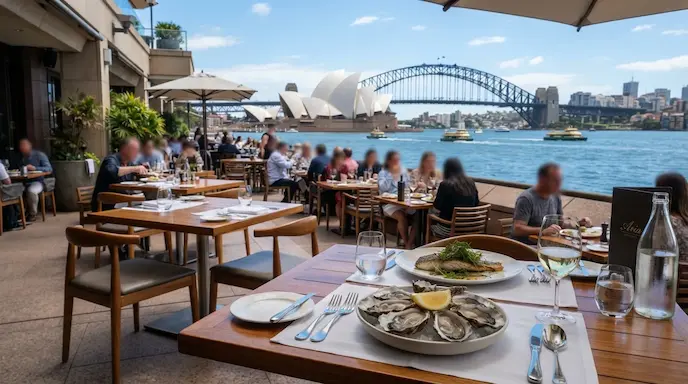
Few dining rooms rival the sweeping Sydney Opera House and Harbour Bridge views at Quay. Executive Chef Peter Gilmore has maintained Three Chef Hats in the Good Food Guide for an astonishing 23 consecutive years. Consequently, Quay remains the gold standard for special-occasion dining in Sydney.
Gilmore works directly with boutique farmers and fishermen to source rare heirloom ingredients. Each multi-course menu explores delicate textures, sea botanicals, and natural umami. Every dish feels deeply connected to the Australian landscape outside the floor-to-ceiling windows.
Bistro Livi (Murwillumbah, Northern Rivers)
Venture north toward Byron Bay to discover Bistro Livi, Gourmet Traveller’s 2026 New South Wales Restaurant of the Year. Tucked inside the art-deco M|Arts Precinct, this intimate bistro champions Northern Rivers growers. The kitchen excels at house fermentation, bright pickling, and creative small plates paired with natural wines.
Victoria: Avant-Garde Tasting Menus and Energetic Bistros
Melbourne continues to thrive as Australia’s most diverse and energetic food capital. Meanwhile, regional Victoria boasts destination farmhouses worth planning an entire road trip around.
Zareh (Collingwood, Melbourne)
Named Gourmet Traveller’s 2026 National Restaurant of the Year, Zareh brings infectious energy to Smith Street. Chef Zareh connects his Armenian, Lebanese, and Egyptian heritage through vibrant open-fire cooking. Unlike stiff fine-dining rooms, Zareh pairs incredible food with loud music, warm service, and accessible pricing.
Diners share smoky kebabs, blistered flatbreads, and richly spiced dips straight from the charcoal grill. Because the room stays packed every night, securing a reservation requires quick action when bookings open.
Vue de Monde and Yiaga (Melbourne CBD & East Melbourne)
Perched on the 55th floor of the Rialto Tower, Vue de Monde remains a Three-Hat icon. The kitchen transforms native ingredients like wallaby, saltbush, and marron into theatrical dining moments. Furthermore, its prodigy chef Hugh Allen recently opened Yiaga inside a reclaimed pavilion in Fitzroy Gardens. Yiaga immediately won the 2026 Visa One to Watch Award for its serene, 12-course seasonal odyssey.
Brae (Birregurra, Otway Hinterland)
Located 90 minutes southwest of Melbourne, Brae is a benchmark for regenerative farm-to-table dining. Chef Dan Hunter harvests organic vegetables, fruits, and herbs directly from the surrounding 30-acre property. As a result, the menu shifts constantly with the micro-seasons. Guests can even book luxury on-site eco-suites to turn dinner into an overnight country retreat.
South Australia: Michelin-Starred Wineries and Fire Cooking
South Australia made culinary headlines in October 2026 when the MICHELIN Guide launched its inaugural Australian selection in the state. Five South Australian venues earned stars, cementing Adelaide and its surrounding wine valleys as premier foodie destinations.
“Magill Estate Restaurant received the only two MICHELIN stars in the guide’s first Australian selection in October 2026, celebrating contemporary Australian tasting menus at Penfolds’ historic winery.” — MICHELIN Guide Australia 2026 Selection
Magill Estate Restaurant (Adelaide Hills)
Set among the historic vineyards of Penfolds Magill Estate, this sleek dining room sits just 15 minutes from central Adelaide. Chef Scott Huggins delivers a refined 10-course tasting menu paired with rare back-vintage Shiraz. Earning Two Michelin Stars in 2026 has made this table one of the hardest bookings in the nation.
Esmay and Arkhé (Adelaide Suburbs)
Adelaide’s inner suburbs are buzzing with newly minted One-Michelin-Star talent. In Hackney, chef Alanna Sapwell-Stone leads Esmay inside a heritage hotel, earning South Australian Restaurant of the Year honors. Nearby in Norwood, chef Jake Kellie commands a massive wood-fired hearth at Arkhé. Counter seats give diners a front-row view of flames kissing dry-aged beef and local shellfish.
Hentley Farm (Barossa Valley)
For a quintessential Barossa Valley lunch, head to Hentley Farm in Seppeltsfield. Housed inside a restored 1880s barn, this One-Michelin-Star venue greets guests with a walk directly through the bustling kitchen. Expect hyper-seasonal tasting courses built around produce foraged from the estate’s creek beds and orchards.
Queensland: Subtropical Open-Fire Dining and Omakase
Brisbane has shed its sleepy reputation to become one of the country’s most exciting dining cities. Warm evenings, riverside precincts, and talented young chefs define Queensland’s culinary identity.
Agnes Restaurant (Fortitude Valley, Brisbane)
Tucked inside a moody heritage brick warehouse, Agnes operates entirely without gas or electricity. Executive Chef Ben Williamson cooks every single dish over open wood fire and glowing embers. Different timbers—including ironbark, apple wood, and olive wood—impart distinct smoke profiles to Wagyu sirloin and Murray cod. Pair your meal with selections from their 1,400-bottle cellar.
Exhibition Restaurant (Brisbane CBD)
Hidden beneath Brisbane’s Metro Arts theatre, Exhibition seats just 24 lucky guests per service. Chef Tim Scott crafts a nightly changing, 10-plus-course menu inspired by Japanese omakase traditions. Standout bites include abalone liver parfait on warm milk bread and finger-lime-kissed scampi.
Western Australia & Tasmania: Wild Coastlines and Pure Produce
Venturing to Australia’s western coast or southern island rewards travelers with unmatched ingredient purity. Both regions rely heavily on pristine cold-water seafood and boutique estate wines.
Wills Domain (Yallingup, Margaret River)
Overlooking rolling vines and the Gunyulgup Valley, Wills Domain holds Western Australia’s top score in the 2026 Australian Good Food Guide. The kitchen showcases wild-harvested coastal herbs, local marron, and estate-grown olive oils. Booking a long sunlit lunch on the terrace is essential during any Margaret River wine tour.
Scholé (Hobart, Tasmania)
In Hobart, chef Luke Burgess transformed a former lolly shop into Scholé, Gourmet Traveller’s 2026 Tasmanian Restaurant of the Year. The intimate space blends pristine Tasmanian sea urchins, wallaby, and heirloom vegetables with delicate Japanese techniques. It offers a relaxed yet deeply thoughtful alternative to formal tasting-menu marathons.
Insider Tips for Booking Top Australian Restaurants
Securing a table at the best restaurants in Australia requires smart timing and local strategy. Keep these practical tips in mind before planning your trip:
- Book 60 to 90 Days Ahead: Top venues like Saint Peter, Brae, and Magill Estate release reservations one to three months in advance. Set calendar alerts for midnight local time on release dates.
- Embrace the Friday Long Lunch: Australians love celebratory Friday lunches. Many high-end restaurants offer identical tasting menus at midday with better natural lighting and easier table availability.
- Sit at the Kitchen Counter or Bar: Venues such as Saint Peter, Arkhé, and Gimlet reserve bar seats for walk-ins or casual à la carte orders. You enjoy the same world-class ingredients without committing to a four-hour tasting menu.
- Explore Zero-Alcohol Pairings: Australian sommeliers lead the world in non-alcoholic beverage pairings. Ask for house-made botanical ferments, native teas, and verjus blends alongside your meal.
Frequently Asked Questions
What is currently ranked as the number one restaurant in Australia?
In late 2026, Sydney’s Saint Peter achieved the highest international ranking in the country, placing #50 on the World’s 50 Best Restaurants list and winning Best Restaurant in Oceania. Meanwhile, Melbourne’s Zareh won Gourmet Traveller’s 2026 National Restaurant of the Year.
Does Australia have Michelin-starred restaurants?
Yes, the MICHELIN Guide launched its inaugural Australian selection in South Australia in October 2026. Magill Estate Restaurant received Two Michelin Stars, while Esmay, Restaurant Botanic, Hentley Farm, and Arkhé each earned One Michelin Star.
How much does fine dining cost at the best restaurants in Australia?
Tasting menus at premier three-hat or Michelin-starred restaurants typically range from AUD $220 to $395 per person before wine pairings. However, acclaimed casual spots like Zareh or Agnes offer memorable meals between AUD $85 and $140 per person.
Do you need to tip at restaurants in Australia?
Tipping is not mandatory in Australia because hospitality workers receive higher award wages than in North America. However, leaving 10 percent for exceptional service at fine-dining restaurants is always appreciated.
Which Australian city has the best food scene for travelers?
Melbourne is famous for its diverse laneway bistros, multicultural eats, and innovative tasting menus, while Sydney excels in world-class seafood and harborfront luxury. Adelaide has also surged in popularity thanks to its new Michelin-starred wineries.
Conclusion
Exploring the best restaurants in Australia reveals a culinary landscape defined by fearless creativity, native ingredients, and genuine warmth. From Saint Peter’s world-renowned seafood in Sydney to Michelin-starred vineyard lunches in South Australia, every state offers unforgettable flavors. Australian chefs have created a dining culture that feels both globally elite and refreshingly relaxed.
Ready to start planning your Australian culinary adventure? Save this guide for your upcoming trip, lock in your priority reservations early, and share which Australian restaurant tops your bucket list in the comments below!