

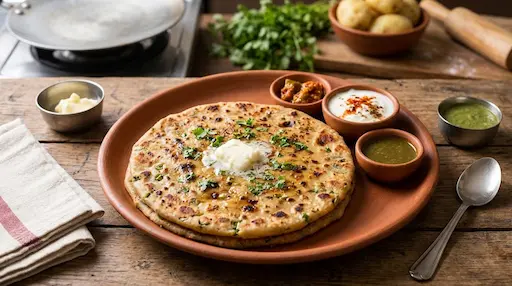
Few dishes evoke warmth and comfort like a piping-hot aloo paratha fresh off the tawa. However, home cooks frequently struggle with torn dough, leaking potato stuffing, or tough, chewy textures. Fortunately, celebrity culinary artist Chef Ranveer Brar has decoded the exact culinary mechanics required to achieve restaurant-grade stuffed flatbreads every single time. By understanding how flour proteins interact with moisture levels in spiced potato fillings, you can completely transform your daily breakfast experience.
“The secret to a non-bursting flatbread lies not in how tight you pack the filling, but in balancing dough elasticity with potato moisture levels.” — Chef Ranveer Brar
Why Dough Consistency Dictates Your Paratha Success
Many home cooks assume that stuffing technique causes flatbread tears, but dough preparation is actually the root cause. When preparing dough for an aloo paratha, soft flour dough allows seamless expansion around dense potato fillings. Therefore, if your dough lacks sufficient hydration, rolling pressure forces the spiced potato mixture right through the gluten wall.
Chef Ranveer Brar recommends incorporating a small percentage of gram flour (besan) directly into whole wheat flour (atta). Additionally, adding carom seeds (ajwain) and a touch of clarified butter (ghee) builds structural elasticity while enhancing digestion. Allow the kneaded dough to rest covered under a damp cloth for at least twenty minutes.
The Golden Ratios for Perfectly Balanced Fillings
A flawless filling must balance aroma, spicy notes, and structural stability. Excessive moisture remains the primary enemy of crisp stuffed flatbreads. Consequently, boiling potatoes whole with skin on reduces water absorption during cooking.
| Ingredient Component | Standard Household Method | Chef Ranveer Brar Technique |
|---|---|---|
| Potato Processing | Mashed with a fork or hands | Grated finely to prevent lumps |
| Flour Enhancer | 100% Whole Wheat Flour | Wheat flour + 2 tbsp Besan for crispness |
| Moisture Control | Freshly boiled warm potatoes | Cooled, refrigerated, dry potatoes |
| Fat Application | Oil poured during rolling | Ghee brushed during tawa roasting |
Furthermore, grating cold boiled potatoes yields uniform texture without sticky moisture build-up. Adding spices such as dried mango powder (amchur), roasted cumin powder, and dried fenugreek leaves (kasuri methi) delivers deep authentic flavor without wet residue.
Step-by-Step Culinary Breakdown
1. The Flour Foundation
In a large mixing bowl, combine whole wheat flour, gram flour, carom seeds, and a pinch of salt. Gradually add water while kneading to form a supple, pliable dough. Coat lightly with oil and allow it to rest properly.
2. The Seasoned Potato Filling
Grate chilled potatoes into a vessel. Add finely chopped green chillies, grated ginger, fresh coriander, crushed coriander seeds, amchur powder, and garam masala. Avoid adding salt until immediately before rolling to prevent moisture release.
3. Encapsulating and Rolling
Divide the rested dough into equal dough balls. Flatten the edges while keeping the center slightly thicker. Place a generous ball of potato mixture inside, bring the edges together like a pouch (potli), twist off excess dough, and seal securely. Dust lightly with flour and roll outward using gentle, balanced hand motions.
4. Precision Tawa Roasting
Place the rolled disc onto a preheated heavy cast-iron tawa. Dry roast each side for thirty seconds before applying ghee. Flip repeatedly over medium-high heat until golden brown spots cover both surfaces evenly.
Adding raw chopped onions increases moisture rapidly. If including onions in your filling, assemble and roast flatbreads immediately to prevent dough degradation.
Avoiding Common Flatbread Pitfalls
High humidity and poor temperature regulation remain common challenges when making stuffed flatbreads. According to culinary research published on Hindustan Times, maintaining precise heat on heavy flat-bottom pans ensures crisp exterior textures without burning internal spices.
Additionally, frying flatbreads on low heat bakes out moisture, leaving flatbreads tough and dry. Conversely, cooking on excessively high heat scorches the outer wheat layer while leaving inner flour pockets uncooked. Aim for steady medium-high heat with continuous motion.
Frequently Asked Questions
Why does my potato filling burst through the dough while rolling?
Dough tears occur when the dough is stiffer than the potato filling or when filling contains hard potato lumps. Always grate cold potatoes and ensure dough remains soft and pliable.
Can I make the potato stuffing ahead of time?
Yes, you can prepare spiced potatoes ahead of time. However, hold back salt and fresh onions until you begin rolling to keep the mixture dry.
How can I make my flatbreads remain soft for tiffin boxes?
Kneading wheat flour with warm milk or adding a spoonful of fresh cream creates long-lasting softness. Store cooked flatbreads wrapped in clean cotton cloth inside insulated containers.
Elevate Your Home Cooking Standards
Mastering authentic stuffed flatbreads requires practice, but implementing Chef Ranveer Brar’s pro tips removes all uncertainty from the process. By matching dough hydration with dry, finely grated potato stuffing, you achieve perfectly puffy, golden-brown flatbreads with rich flavor in every bite. Try these professional techniques during your next weekend breakfast session and enjoy culinary perfection alongside fresh yogurt, chilled butter, and tangy pickles!