Long before millions of viewers sang along to his famous “Namak Shamak” catchphrase, Chef Harpal Singh Sokhi wanted to build machines or fly fighter jets. Growing up in a railway town in eastern India, he never imagined a career behind a stove. Yet today, he stands among India’s most recognizable culinary leaders, restaurateurs, and television hosts. His journey spans luxury hotel kitchens, early television history alongside Sanjeev Kapoor, and a fast-growing restaurant empire. From sharing quick microwave recipes online to judging prime-time comedy cooking shows, his career shows how warmth and deep culinary training can turn everyday cooking into joyful entertainment.
Who Is Chef Harpal Singh Sokhi?
Chef Harpal Singh Sokhi is an Indian celebrity chef, author, culinary consultant, and restaurant entrepreneur. Born in 1966 in Kharagpur, West Bengal, he built a reputation over nearly four decades in the hospitality industry, according to Wikipedia. Many people know him best as the lively host of the television show Turban Tadka on the Food Food channel. Others recognize him as the strict yet cheerful judge on Colors TV’s hit comedy cooking series Laughter Chefs – Unlimited Entertainment.
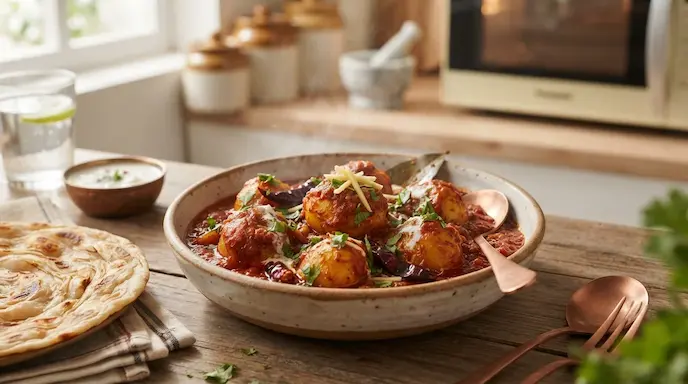
Beyond television studios, he has shaped menus for international airlines, hospitals, and major food brands. He also founded popular restaurant chains, including The Funjabi Tadka and Karigari. Furthermore, his digital footprint reaches millions of home cooks who watch his practical tutorials. For example, his early online videos on Sanjeev Kapoor Khazana, such as his quick Microwave Surkh Dum Aloo demonstration, helped bring restaurant-style Indian dishes into modern home kitchens.
Early Life and Background in Kharagpur
Harpal Singh Sokhi spent his childhood in Kharagpur, a bustling railway hub in West Bengal. According to biographical records on Wikipedia, his father worked for the Indian Railways and traveled frequently for his job. Because of those travels, his father encouraged Harpal, his brother, and his two older sisters to taste diverse regional foods. At home, his mother’s daily cooking sparked his earliest appreciation for fresh ingredients and balanced flavors.
In addition, community service played a big role in his youth. His older brother regularly cooked large meals at a langar, the free community kitchen found in Sikh gurdwaras. Watching food bring people together left a lasting mark on young Harpal. He completed his schooling at the South Eastern Railway Mixed Higher Secondary School in Kharagpur.
From Engineering Dreams to Hotel Management
Living in Kharagpur meant growing up near the prestigious Indian Institute of Technology (IIT). Naturally, the academic environment inspired Harpal to pursue engineering. However, he later admitted that he struggled with traditional academic subjects. Next, he set his sights on joining the Indian Air Force. Unfortunately, by the time he decided to submit his application, he had already passed the maximum age limit.
At that crossroads, a friend studying in Siliguri introduced him to the field of hotel management. Harpal’s brother encouraged him to take the entrance exam. In 1984, he enrolled at the Institute of Hotel Management (IHM) in Bhubaneswar, Odisha. According to the official Karigari Restaurants profile, he graduated with a diploma in catering in 1987, setting the foundation for his professional life.
Career Journey: Luxury Hotels and Sanjeev Kapoor
After finishing his catering diploma in 1987, Harpal Singh Sokhi began working as a trainee cook at The Oberoi in Bhubaneswar. He worked hard and rose quickly through the ranks of professional kitchens. By the age of 27, he earned the title of executive chef, according to Wikipedia. During those early years, he dedicated himself to mastering both international techniques and regional Indian traditions.
Specifically, he trained in authentic Hyderabadi cuisine under respected culinary masters Ustad Habib Pasha and Begum Mumtaz Khan. He also studied Ayurveda-based cooking to understand how specific spices and preparation methods improve the nutritional value of food. Over the next decade, he led kitchens at several prominent properties across India and Southeast Asia. These included Vintage, Centaur Hotel in Mumbai, Hotel Tuli International in Nagpur, The Regent in Mumbai and Jakarta, and Taj Lands End in Mumbai.
Collaborating with Sanjeev Kapoor and Khazana
A major turning point arrived in 1993 when television changed Indian food media forever. While Sanjeev Kapoor became the face of Zee TV’s iconic show Khana Khazana, Harpal Singh Sokhi actually hosted the very first episode of the program, according to Wikipedia. He remained one of Sanjeev Kapoor’s oldest and closest culinary associates for many years.
In 2001, he joined Sanjeev Kapoor and other partners to establish Khana Khazana India Pvt Ltd. Inside this venture, he led food trials, created ready-to-eat products for the Khazana brand, and developed a line of chocolate mithais. He also helped write content for Kapoor’s cookbooks and co-authored the book Royal Hyderabadi Cooking. Later, he appeared frequently on the Sanjeev Kapoor Khazana YouTube channel, teaching viewers easy recipes like Microwave Surkh Dum Aloo alongside other everyday favorites.
“Chef Harpal is celebrated for fusing Indian flavours with international techniques, unearthing authentic regional Indian food across decades of culinary exploration.” — Karigari Restaurants Official Biography
What Chef Harpal Singh Sokhi Is Known For
Television audiences across India and abroad know Chef Harpal Singh Sokhi for his infectious energy and musical approach to cooking. After hosting a local Nagpur show called Harpal ki Rasoi, he found massive national fame with Turban Tadka on the Food Food channel. Whenever he added salt to a pan, he sang a rhythmic jingle: “Namak shamak, namak shamak dal dete hain.” That simple phrase became a household catchphrase across the country.
Because of his friendly teaching style, viewers felt confident trying complex dishes at home. He went on to host several other television programs, including Kitchen Khiladi and Sirf Tees Minute on Food Food. In 2014, he traveled across India for Zee News’s road food series Desh da Swaad, highlighting street food and regional specialties.
Global Menus and Restaurant Ventures
Away from the cameras, his business portfolio has grown steadily across airlines, healthcare, and dining. For seven years, he executed the business class menus for Singapore Airlines, according to India Speakers Bureau. He also led an “Ancient Indian Food” promotion for Indian Airlines and designed specialized patient menus for Wockhardt Hospitals. Additionally, he worked closely with the popular food brand Ching’s Secret.
In hospitality, he helped open the Indian specialty restaurant Khazana in Dubai in 1998. Later, in January 2013, he launched his own restaurant chain, The Funjabi Tadka, starting with a flagship outlet in Kolkata. More recently, he introduced Karigari, a casual-dining restaurant brand celebrating Indian craftsmanship and regional recipes. By November 2026, Karigari expanded into Sector 82 in Gurugram with a massive new outlet featuring a 50-foot ceiling, according to ET HospitalityWorld.
| Year | Career Milestone |
|---|---|
| 1984 | Enrolled at the Institute of Hotel Management (IHM) in Bhubaneswar, Odisha. |
| 1987 | Completed catering diploma and joined The Oberoi in Bhubaneswar as a trainee cook. |
| 1993 | Hosted the inaugural episode of the landmark television show Khana Khazana on Zee TV. |
| 1998 | Conceptualized and executed the opening of the Khazana specialty restaurant in Dubai. |
| 2001 | Co-founded Khana Khazana India Pvt Ltd to develop ready-to-eat foods and culinary products. |
| 2013 | Opened the first flagship branch of his restaurant chain, The Funjabi Tadka, in Kolkata. |
| 2014 | Honored by Google among the top five food YouTubers in India; hosted Desh da Swaad. |
| 2016 | Competed as a celebrity contestant on the dance reality show Jhalak Dikhhla Jaa 9. |
| 2024–2026 | Starred as the Celebrity Chef Coach on Colors TV’s Laughter Chefs and expanded Karigari across North India. |
Awards, Recognition, and Media Appearances
Over his long career, Chef Harpal Singh Sokhi has earned widespread recognition from both the hospitality industry and digital platforms. As online video grew in India, he embraced YouTube early to share straightforward home cooking tutorials. According to his official Karigari profile, Google honored him in 2014 as one of the top five food YouTubers in India. His digital channel was also recognized among the top 100 food channels globally on YouTube.
His television ratings have matched his digital success. Turban Tadka consistently ranked among the top Indian cookery shows by television rating points (TRPs), according to Wikipedia. Because of his broad appeal, entertainment producers frequently invited him beyond traditional cooking formats.
“As we continue to expand our presence, our focus remains on building sustainable restaurant formats that combine strong brand identity with operational excellence.” — Harpal Singh Sokhi, via ET HospitalityWorld (November 2026)
Stepping Outside the Kitchen
In 2016, he stepped onto the dance floor as a contestant on Season 9 of the popular celebrity dance competition Jhalak Dikhhla Jaa. A year later, in 2017, he became one of the first Indian chefs to appear in a Bollywood feature film, taking a role in the movie Bank Chor. These appearances introduced his cheerful personality to audiences who rarely watched daytime food television.
Furthermore, he has shared his business knowledge with future hospitality leaders. He served as a guest faculty member at the N. L. Dalmia Institute of Management Studies and Research, teaching students about food operations and menu planning. Today, he continues to bridge entertainment and education as the Celebrity Chef Coach on Laughter Chefs – Unlimited Entertainment alongside host Bharti Singh.
Impact and Legacy on Modern Indian Cooking
Few culinary figures have made Indian cooking feel as welcoming as Chef Harpal Singh Sokhi. Before his rise on television, many cooking shows treated recipes like strict science experiments. By singing, smiling, and explaining steps in plain language, he removed the fear from home cooking. Moreover, his fluency in six languages—English, Hindi, Punjabi, Bengali, Odia, and Telugu—helped him connect directly with families across diverse Indian states.
His work also preserved traditional regional flavors while adapting them for busy modern lifestyles. Whether researching Ayurvedic nutrition, documenting street food across small towns, or creating microwave-friendly dishes like Surkh Dum Aloo for digital viewers, he always prioritized practicality. Meanwhile, his restaurant brand Karigari continues to celebrate India’s culinary artisans, proving that traditional Indian food can thrive in contemporary fine-casual dining spaces.
“Chef Harpal is amongst the top 5 food YouTubers honoured by Google in 2014, further recognized among the top 100 channels on food on YouTube.” — Karigari India
Conclusion
From missing the age cutoff for the Indian Air Force to becoming one of India’s most beloved culinary icons, Chef Harpal Singh Sokhi built his career on adaptability, passion, and hard work. His early training in luxury hotels, long partnership with Sanjeev Kapoor, and memorable television presence transformed how millions of people experience Indian food.
Today, he continues to inspire both home cooks and aspiring chefs through his Karigari restaurants, digital videos, and hit television appearances. If you enjoyed learning about his culinary journey, share this article with a fellow food lover or leave a comment below sharing your favorite recipe from his shows.